About Jaipur
Jaipur, the capital and the largest city of the north-western Indian state of Rajasthan is an absolute must-visit destination renowned globally for its magnificent forts, palaces, vibrant cultural tapestry and distinctive urban aesthetic. The city was founded in 1727 by the Kachhwaha Rajput ruler, Maharaja Sawai Jai Singh II, after whom it is aptly named—essentially meaning “Jai’s City.” This ruler decided to strategically shift his capital from the crowded and water-scarce Amber (Amer) to this new location. A remarkable aspect of Jaipur is that it stands as one of the earliest planned cities of modern India, meticulously designed under the architectural guidance of Vidyadhar Bhattacharya, who adhered strictly to the principles of Vastu Shastra and Shilpa Shastra, resulting in a grid-based layout divided into nine distinct rectangular sectors or Chowkris symbolizing the Navagraha (nine planets).
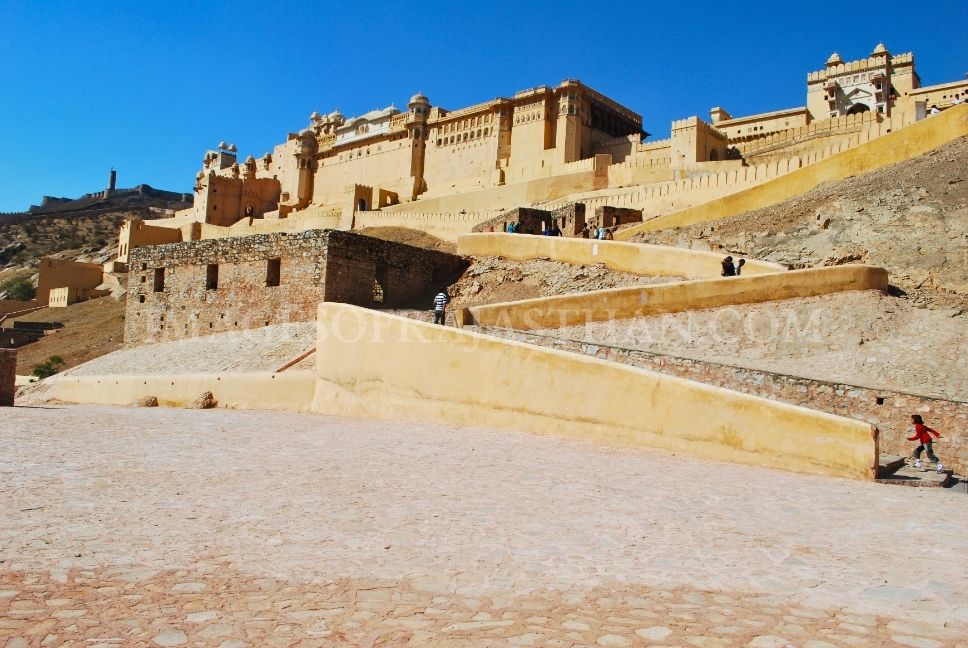
The city’s world-famous moniker, the “Pink City,” originates from 1876, when Maharaja Sawai Ram Singh II ordered the entire city to be painted a welcoming terracotta pink to host Albert Edward, the Prince of Wales; a tradition that is incredibly still mandated for many buildings today preserving its unique visual identity. Jaipur is a central pillar of the Western Golden Triangle tourist circuit linking it strategically with Delhi and Agra and it also serves as the essential gateway to other major Rajasthani destinations like Udaipur, Jodhpur and Jaisalmer. Its historical significance is underlined by the fact that it now boasts two UNESCO World Heritage Sites within its boundaries: the awe-inspiring Amer Fort and the astronomical marvel Jantar Mantar leading to the entire city being inscribed on the World Heritage Cities list on July 6, 2019. Beyond its heritage structures, the city offers a rich cultural immersion, known for traditional crafts, vibrant music and dance forms like Ghoomar and Chari and famous annual festivals such as the Kite Festival Teej and the Elephant Fair. Shopping enthusiasts will find paradise in its famous bazaars: Johari Bazaar for exquisite Rajasthani jewellery, Bapu Bazar for Mojari footwear and textiles and Tripolia Bazar for bangles and carpets. The culinary scene is equally rich offering signature Rajasthani flavors such as the iconic Dal Bati Churma, spicy Kachoris, the non-vegetarian specialty Laal Maas and the unique dried-berry dish Ker Sangri.
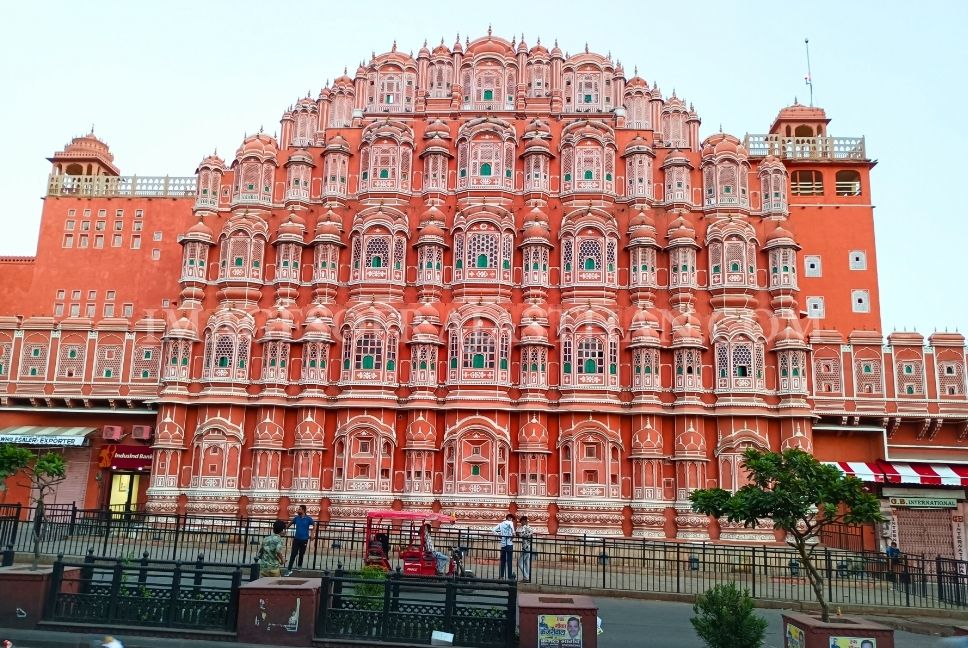
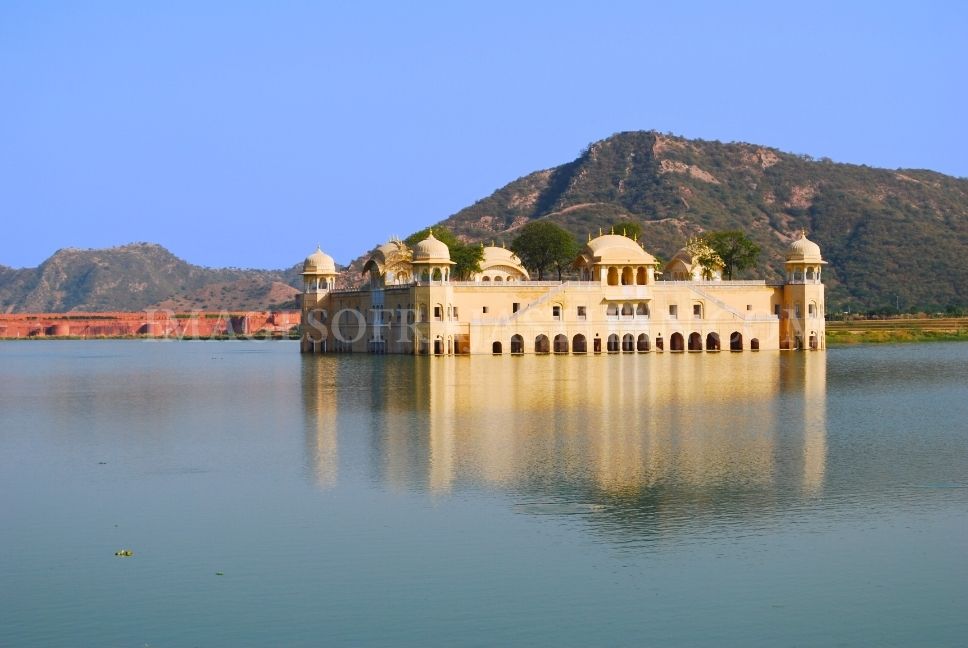
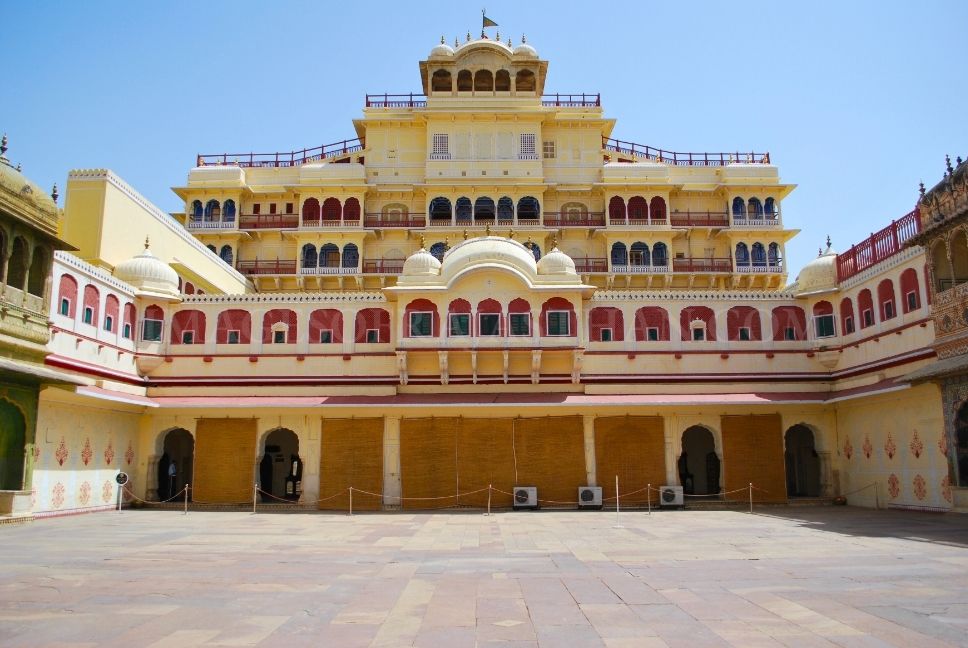
The city’s architectural glories include the iconic Hawa Mahal, the City Palace complex showcasing royal artifacts and the magnificent hill forts like Nahargarh and Jaigarh which historically protected the city and offer commanding views, including glimpses of the submerged Jal Mahal in Man Sagar Lake. The region experiences a monsoon-influenced hot semi-arid climate with intense summers but mild, pleasant winters, although the city is situated in an urban heat island zone. The city has also undertaken significant infrastructural projects, notably the rejuvenation of the Dravyavati River, which was historically a primary drainage channel. Affectionately called the “Paris of India” and described by C.V. Raman as the “Island of Glory,” Jaipur beautifully blends the charm of its ancient royal past with the dynamism of a rapidly growing modern metropolis offering visitors an unforgettable journey through history, culture and architectural brilliance.
Know More About Jaipur Tourist Places
Quick Overview
Jaipur, the "Pink City" of India, is a captivating blend of royal history and modern charm. As the capital of Rajasthan, it's a treasure trove of majestic forts, intricate palaces, and vibrant bazaars. Founded in 1727, this meticulously planned city is a testament to its royal heritage, with stunning landmarks like the Amer Fort, Hawa Mahal, and Jantar Mantar. Its rich culture, delicious cuisine, and vibrant markets make it an essential stop for any traveler exploring India's Golden Triangle.