
About Hawa Mahal
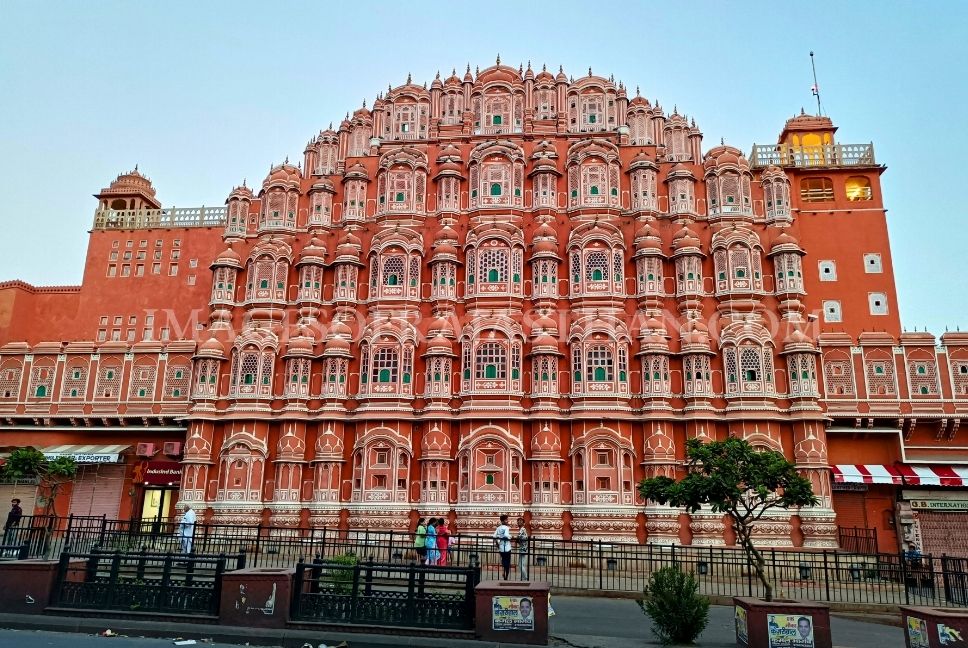
The Hawa Mahal or “Palace of Winds,” is the undisputed icon of Jaipur a mesmerizing five-story monument that perfectly embodies the rich royal heritage and architectural ingenuity of Rajasthan. Built in 1799 by the devoted Maharaja Sawai Pratap Singh, the grandson of the city’s founder, this magnificent structure of red and pink sandstone stands proudly on the edge of the City Palace complex giving the ‘Pink City’ its most recognizable facade. The Maharaja was reportedly inspired by the unique structure of the Khetri Mahal in Jhunjhunu and commissioned Lal Chand Ustad to design this grand and historical palace. Its primary purpose was to serve as an extension of the Zenana or women’s chambers. At the time the pardah system was strictly followed prohibiting royal ladies from being seen in public. The palace therefore, became their secluded perch, allowing them to participate in the excitement of festivals, bazaars and royal processions unfolding on the street below all while remaining in strict privacy behind the delicate screens—a true reflection of the cultural values and societal norms of the time.
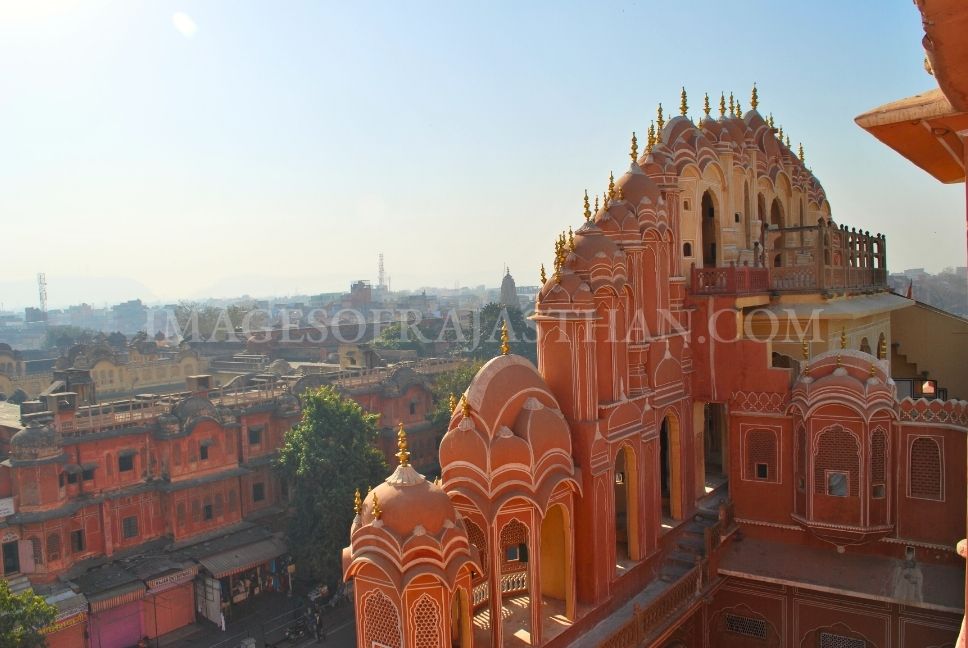
The palace’s most striking feature is its five-story pyramid-shaped façade which rises to about 50 feet (15 m) and is famously said to resemble the crown of Lord Krishna, a nod to the Maharaja’s deep devotion to the Hindu god. The structure’s genius lies in its iconic exterior, decked out with no fewer than 953 finely screened windows or jharokhas giving the palace the appearance of a massive elaborate honeycomb, which is in fact little more than one room thick in most parts. This unique architectural feature also served an engineering marvel: the lattice design allowed cool air enhanced by the Venturi effect to pass through the palace keeping the entire area pleasant during the scorching Rajasthani summers thus earning its name the Palace of Winds. While its grand exterior often best appreciated from the outside during the early morning when it exudes an orangey-pink glow in the rays of the rising sun is akin to a mass of semi-octagonal bays the inner face on the back side of the building is comparatively plain,consisting of chambers built with pillars and corridors with minimal ornamentation.
The interiors of the palace feature rooms of different colored marbles, relieved by inlaid panels or gilding, with fountains once adorning the center of the courtyard, further enhancing the cooling effect. Access to the top floors, including Vichitra Mandir (where the Maharaja worshipped Krishna) Prakash Mandir and Hawa Mandir is notable for the absence of staircases; instead there are only inclined ramps which were thoughtfully designed to make access easier for the royal ladies and the movement of their palanquins. The architecture beautifully reflects a harmonious fusion of Hindu Rajput architecture seen in the domed canopies, fluted pillars, lotus, floral patterns and Islamic Mughal architecture evident in its intricate stone inlay filigree work and arches.
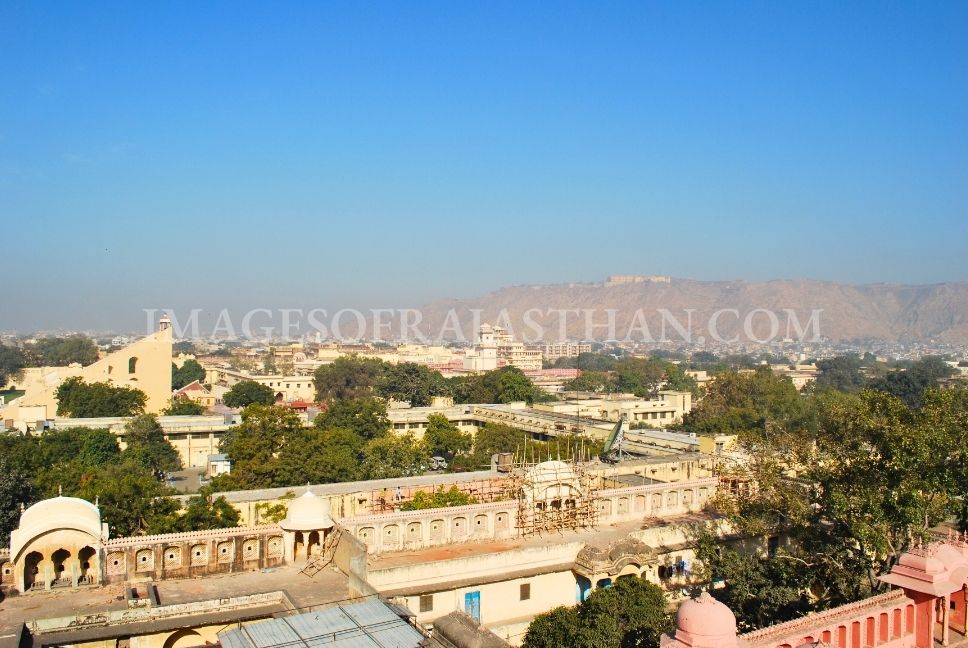
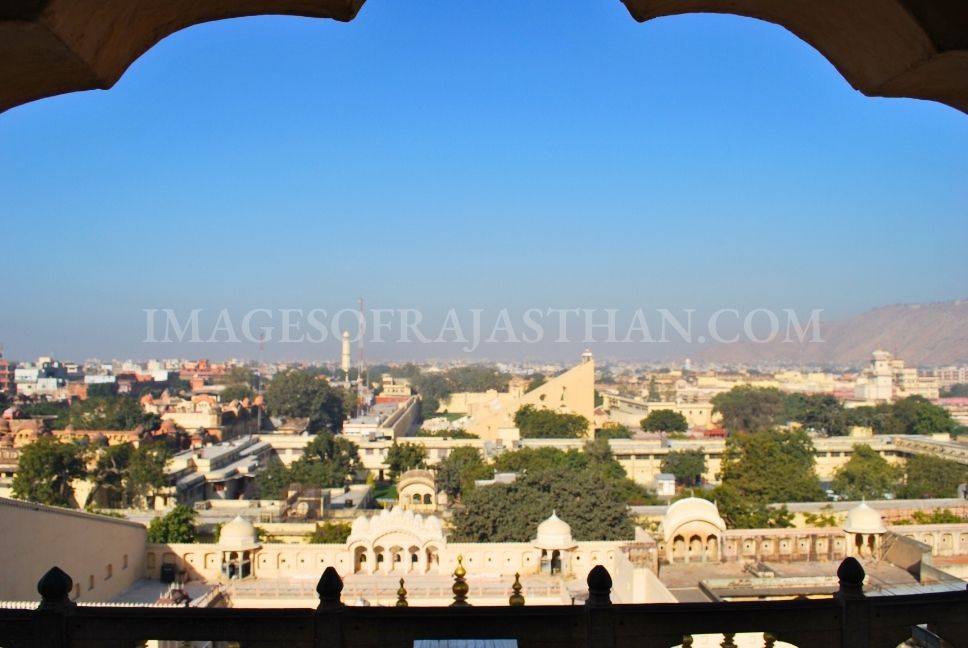
Visitors enter the Hawa Mahal from the City Palace side through an imperial door which opens into a large courtyard that has double-storeyed buildings on three sides, with the Hawa Mahal enclosing it on the east; an archaeological museum is also housed in this courtyard area. Though the interiors are simpler than the exterior suggests, the screened niches from the top floors still offer unparalleled, panoramic views over the multitudinous mayhem of Jaipur far below including sights of the City Palace, Jantar Mantar and the distant Nahargarh Fort a powerful reminder of the historical perspective enjoyed by the court ladies.
Quick Overview
Discover the magic of Jaipur's most famous landmark, the Hawa Mahal, an architectural wonder known as the "Palace of Winds." Built in 1799 by Maharaja Sawai Pratap Singh, this five-story marvel features an iconic honeycomb façade with 953 intricately carved windows (jharokhas). Located in the heart of the Pink City, the Hawa Mahal was designed by Lal Chand Ustad to allow royal women to observe city life while adhering to the purdah system. Its blend of Rajput and Mughal styles, dedication to Lord Krishna (resembling his crown), and natural cooling system make it a historical treasure, best viewed at sunrise for its spectacular pink glow.