
About Jal Mahal
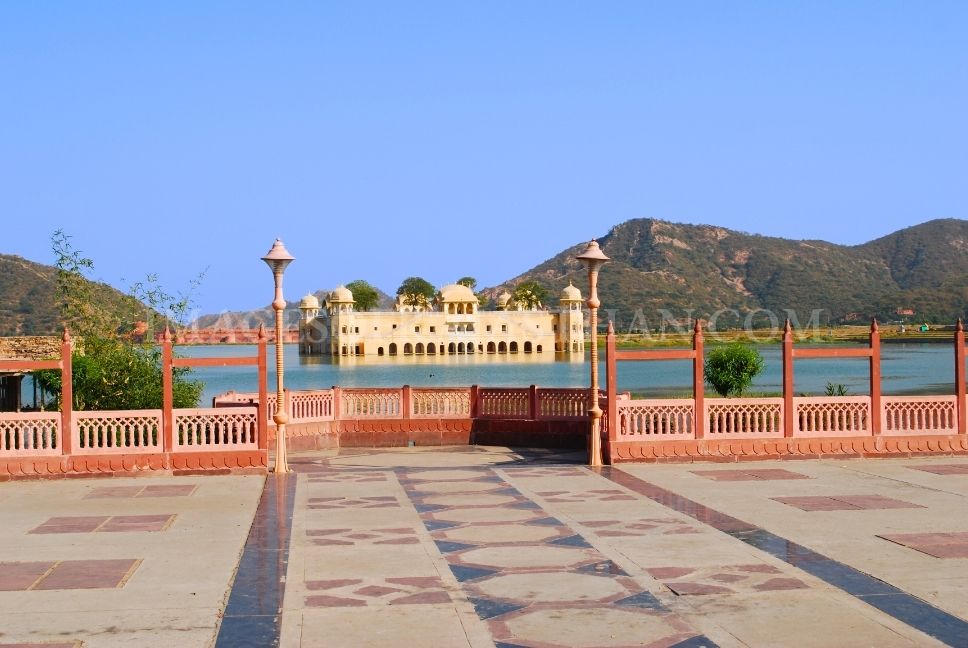
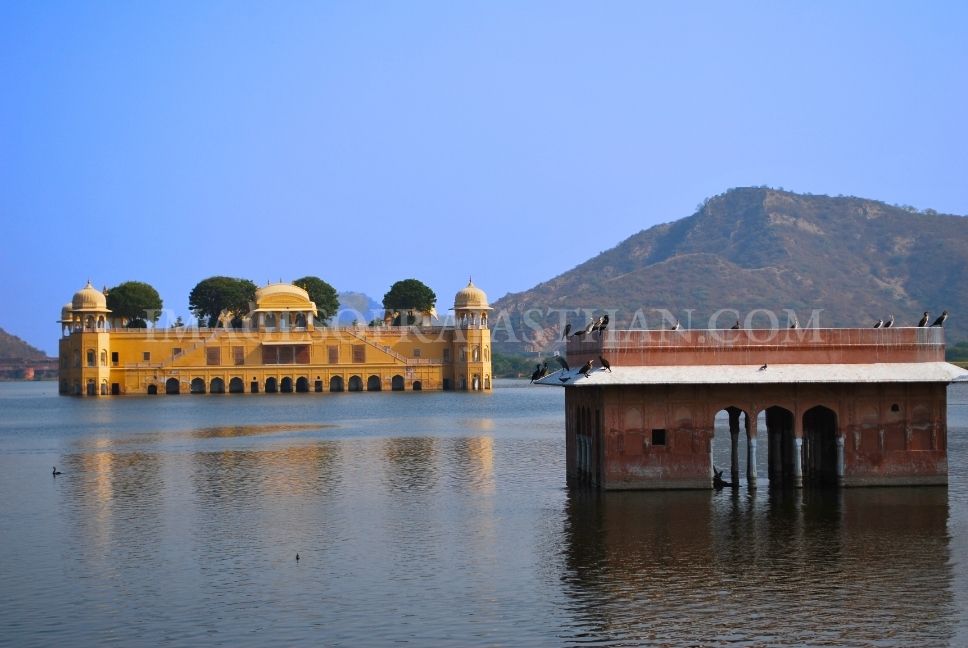
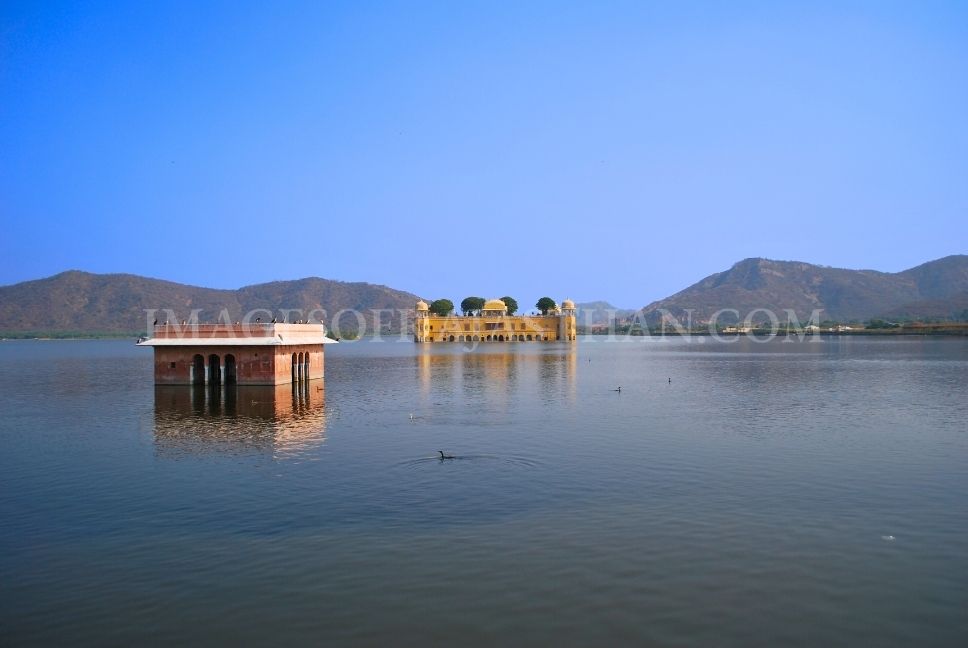
The Jal Mahal, which literally translates to the “Water Palace,” is an exquisite and globally renowned landmark situated serenely in the middle of the Man Sagar Lake in Jaipur, the vibrant capital of Rajasthan India, presenting one of the “Pink City’s” most captivating and photographed views. This majestic palace crafted primarily from local red and pink sandstone is an architectural showcase of the classic symmetrical Rajput style which is prominent in Rajasthan though it also incorporates elements of the Mughal architectural style creating a picturesque structure that famously appears to float weightlessly upon the water’s surface reflecting its elegant form on the serene lake. The palace was originally constructed around 1699 but the structure itself along with the lake underwent significant enlargement and intricate renovations in the early 18th century by the illustrious Maharaja Jai Singh II of Amber who is also credited with the final and most comprehensive restorations. Interestingly, when the Jal Mahal was first conceived, likely by Maharaja Madho Singh I it was not intended to be a full-fledged palace but rather a sophisticated hunting lodge for the king and his entourage during their royal duck hunting trips on the lake underscoring its historical role as a place of royal leisure and recreation.
The palace’s most unique feature is its hidden structure: while visitors observing from the public promenade (the western side) only see the top floor, the Jal Mahal is actually a five-storied building with four of its levels resting submerged beneath the lake’s surface when the water is full demonstrating a remarkable feat of ancient Indian engineering where the massive stone walls hold back millions of liters of water and specially designed lime mortar prevents seepage a function the structure has executed successfully for over 250 years. This subterranean construction means the building is firmly structured on the bottom of the lake with the maximum lake depth around 15 feet.The palace complex features a terrace floor that has been meticulously restored to house a garden a new creation based on the design of the similar roof garden found at the nearby Amer Palace which had replaced the original garden that was lost over time. This terrace garden incorporates four Tibaris designed in the distinct Bengal roof architectural style, while the four corners of the top floor are marked by elegant octagonal Chhatris (domed pavilions) atop semi-octagonal towers further highlighting the blend of architectural influences.
In the past the palace suffered from issues such as subsidence and partial water seepage and dampness but a comprehensive restoration project was initiated by the Government of Rajasthan. Following early unsatisfactory works experts in similar architectural restoration works meticulously deciphered the originally existing designs leading to a re-plastering effort using traditional organically enriched materials—a special mortar mix of lime, sand and surkhi blended with natural organic materials like jaggery, guggal and methi (fenugreek) powder ensuring the repair work’s authenticity and durability. The natural environment surrounding the lake is equally integral to the Jal Mahal’s appeal; situated towards the northeast of Jaipur the palace is set against the dramatic backdrop of the surrounding Nahargarh (“tiger-abode”) hills which are part of the ancient Aravalli hills range and feature natural quartzite rock formations.
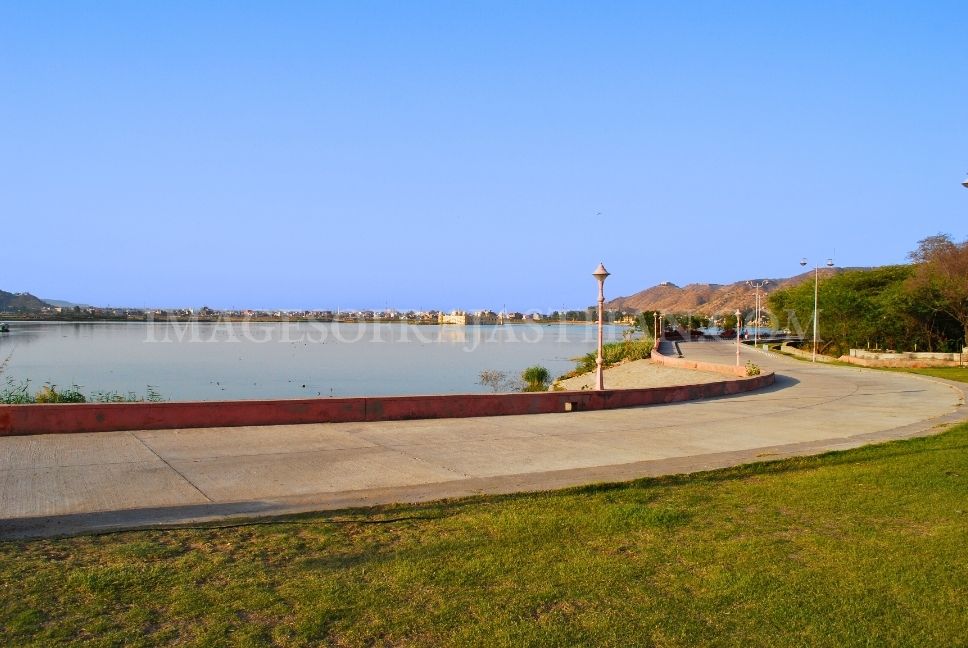
The ecological health of the Man Sagar Lake itself was a major focus of restoration which included diverting sewage drains dredging two million tonnes of toxic silt to increase the lake’s depth developing a water treatment system and reintroducing local vegetation and fish all of which successfully regenerated the surrounding wetlands and created five nesting islands to attract migratory birds thereby enhancing the palace’s picturesque setting. While the palace has been declared a protected area restricting public entry to the interior tourists still flock to the banks of the lake located just about 5 KM from the center of Jaipur and easily accessible by autos and taxis to gaze at this magnificent structure. The light color of the sandstone walls creates a sharp and beautiful contrast with the deep blue of the lake making it one of the most photographed spots in Jaipur especially in the evenings when the area becomes a popular location for a romantic stroll and the famous local chowpatty street food market comes alive, providing an opportunity for visitors to enjoy mouth-watering local cuisine like aloo tikki chat while soaking in the serene view of the illuminated Water Palace.
Quick Overview
The Jal Mahal, or Water Palace, is an exquisite structure located in the middle of Jaipur's Man Sagar Lake. Originally built in 1699 and later renovated by Maharaja Jai Singh II, this palace is a striking example of Rajput and Mughal architecture. It famously creates the illusion of floating, as four of its five stories remain submerged beneath the surface, protected by ingenious lime mortar. Surrounded by the Aravalli hills and near the Nahargarh Fort, it serves as a serene, highly photographed landmark, whose banks now feature a lively street food market.