
About Maharaniyon ki Chhatriyan
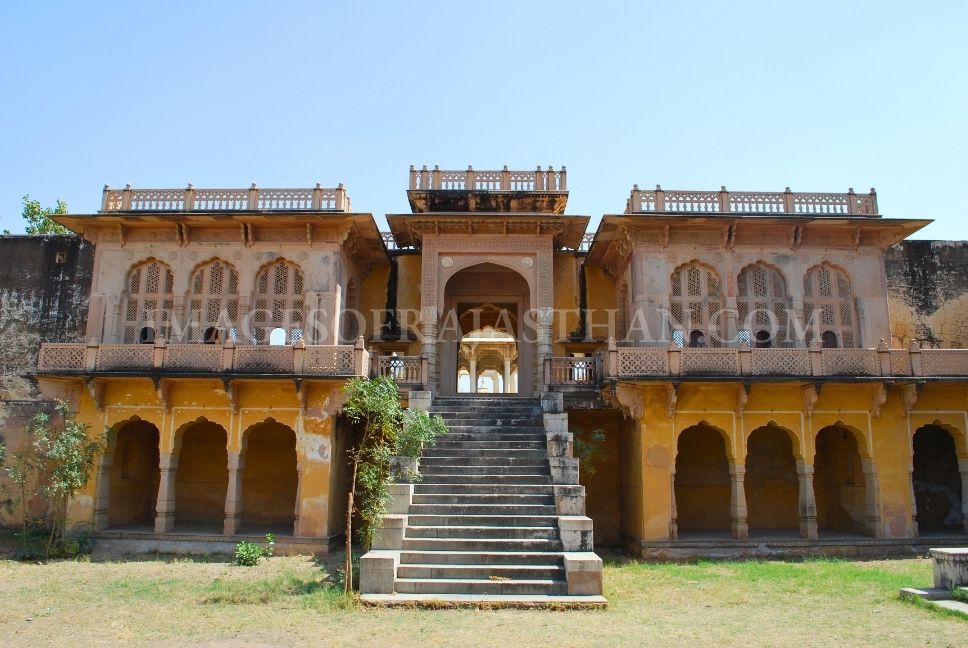
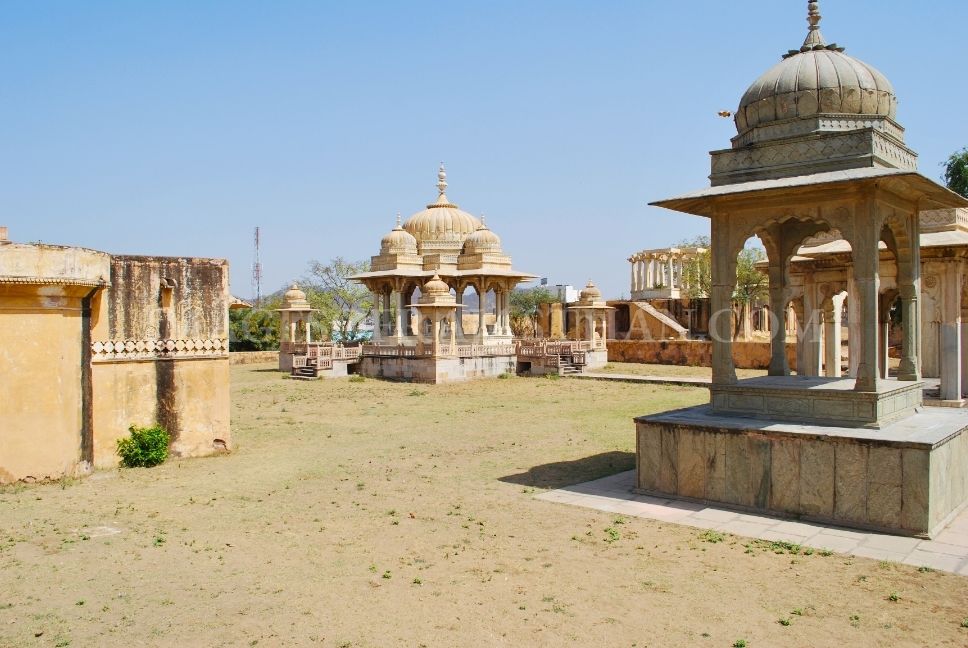
Maharaniyon Ki Chhatriyan, also known as the Cenotaphs of the Maharanis, is a profoundly peaceful and architecturally rich heritage site located in Gaitore near the Jaipur-Amer Road, serving as the exclusive memorial ground for the royal women of the Kachwaha dynasty who ruled Jaipur from the mid-18th century until India’s independence. This lesser-known complex is often confused with Gaitore Ki Chhatriyan, the main royal cremation site for the Maharajas as this sanctuary is dedicated solely to the queens and consorts—a deliberate architectural separation that highlights the distinct roles and traditions of the royal men and women. These structures are not tombs as per Hindu cremation traditions but rather elaborate cenotaphs (chhatris), which are elevated dome-shaped pavilions symbolizing sovereignty (the “umbrella” concept) and serving as eternal monuments to the honor, devotion and memory of the deceased Ranis. The site nestled in a tranquil valley at the foothills of the Aravalli range, is often visited by those seeking an offbeat heritage experience away from the crowded bazaars and tourist spots like Amer Fort, offering a deeply reflective atmosphere dotted with stone memorials surrounded by greenery.
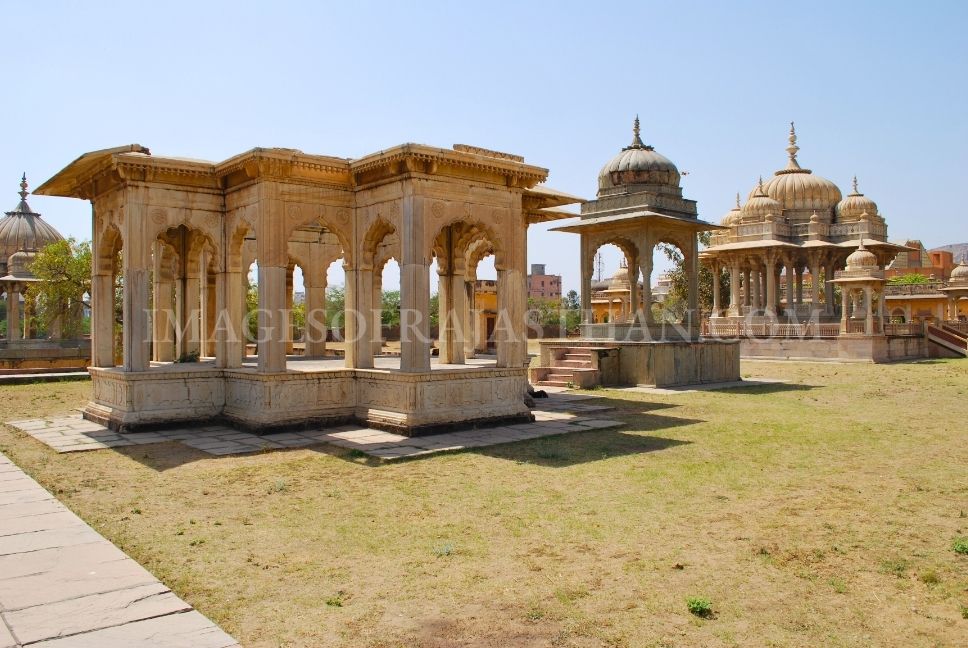
The architecture of the Maharaniyon Ki Chhatriyan is a beautiful expression of Rajputana artistry, predominantly constructed from pristine white marble and durable sandstone with each chhatri built atop a raised platform to signify elevated status and constructed following customs that dictated ornamentation based on the queen’s rank and natal prestige. Stylistically, while the memorials share the general Rajput elements seen in the kings’ memorials, historians note that the women’s decorative programs are generally less elaborate and notably “apolitical in thematic content,” focusing instead on reliefs of scrolling vegetal work, female musicians and non-combative animals rather than scenes of military victory or political symbolism common in the male cenotaphs. A fascinating detail revealed by conservation studies is that architects inscribed the precise cost of each memorial ensuring later rulers upheld the custom of not erecting a monument more expensive than the station of the deceased queen warranted. Furthermore, due to Rajput customs, the Rani chhatris are often unlabeled or simply refer to the queen’s natal home, a practice that subtly emphasized the prestigious political union achieved by her marriage to the Kachwaha ruler.
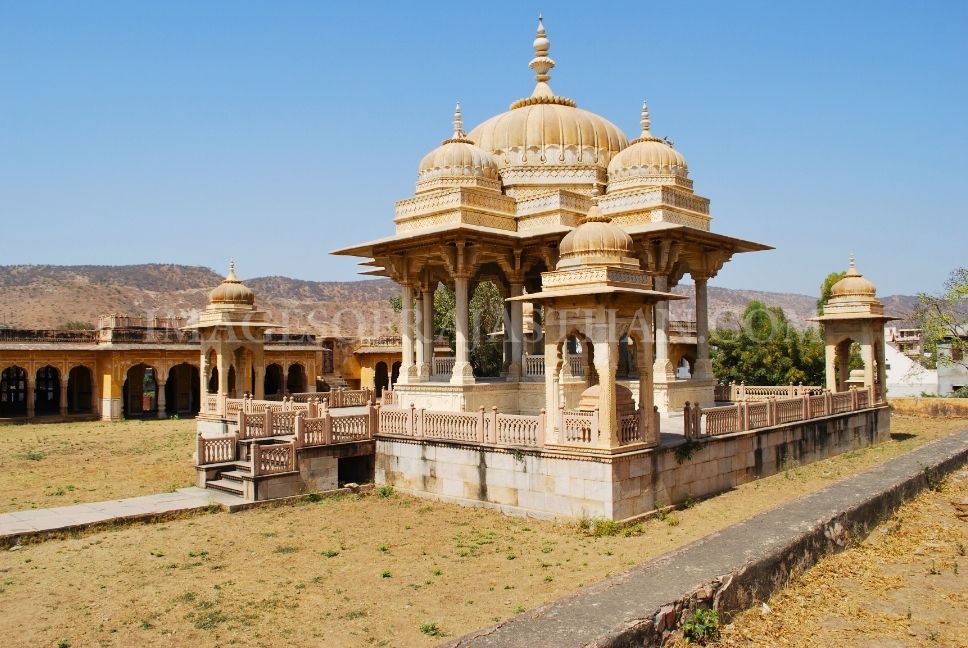
Despite this cultural inclination toward anonymity the identities of most deceased Maharanis remain known due to the relatively recent history of their interments, with the most recent monument being added in 2009 for the celebrated Rajmata Gayatri Devi (d. 2009), the third consort of Maharaja Man Singh II. Each chhatri is a masterpiece in its own right, featuring elegant intricately carved pillars supporting the domes, characteristic floral and geometric stone carvings, open pavilions designed to let in natural light and symbolic elements such as kalash (urn) motifs and lotus carvings, all contributing to a captivating spiritual atmosphere. The existence of these extensive memorials is a rare public glimpse into the legacy of the royal women who often remained in the background of historical records preserving their memory and attesting to their significant albeit less documented, roles as spiritual anchors and patrons of the arts within the royal household. The site’s relative seclusion despite its proximity to Badi Chaupar and the road to Amber, ensures a peaceful exploration inviting visitors to appreciate the devotion and artistry inherent in preserving the memory of Jaipur’s royal consorts for posterity.
Quick Overview
Maharaniyon Ki Chhatriyan is a secluded heritage site near Gaitore dedicated exclusively to the queens and consorts of Jaipur’s Kachwaha dynasty. These serene memorials are exquisitely crafted chhatris (cenotaphs) built from white marble and sandstone in the Rajputana style. Each unique pavilion honors a royal woman, featuring intricate floral carvings and symbolizing their aristocratic status. The site offers a rare glimpse into the legacy of the royal women, often remaining anonymous in official histories. It stands distinct from the male rulers' memorials at Gaitor, with the most recent dedication being for Rajmata Gayatri Devi in 2009.