
About Jagat Shiromani Temple
The Jagat Shiromani Temple, a magnificent 17th-century Hindu temple is situated in the historic town of Amer, nestled in the Aravalli hills near Jaipur, and stands as a unique monument of spiritual devotion and architectural fusion in the Indian state of Rajasthan. The construction of this temple was commissioned by Queen Kanakwati (also known as Shrangar Devi Kanvat), the wife of King Man Singh I, the 24th Raja of Amber and a prominent general (Navratna) in the court of Mughal Emperor Akbar with the construction spanning the years between 1599 and 1608 CE. The Queen undertook this ambitious project as a permanent memorial to their beloved son and heir-apparent, Jagat Singh who died tragically at a young age in the late 1590s, giving the temple its name, “Jagat Shiromani,” which translates to “Crest Jewel of the World,” symbolizing the exalted place of their son alongside the divine in the spiritual realm. The temple is distinct for its dedication enshrining Lord Krishna and Lord Vishnu but notably also the poet-saint Meera Bai, the profound devotee of the Bhakti movement making it one of the few temples in India where Meera Bai is honored with her own idol symbolizing her spiritual union and eternal devotion to Krishna.
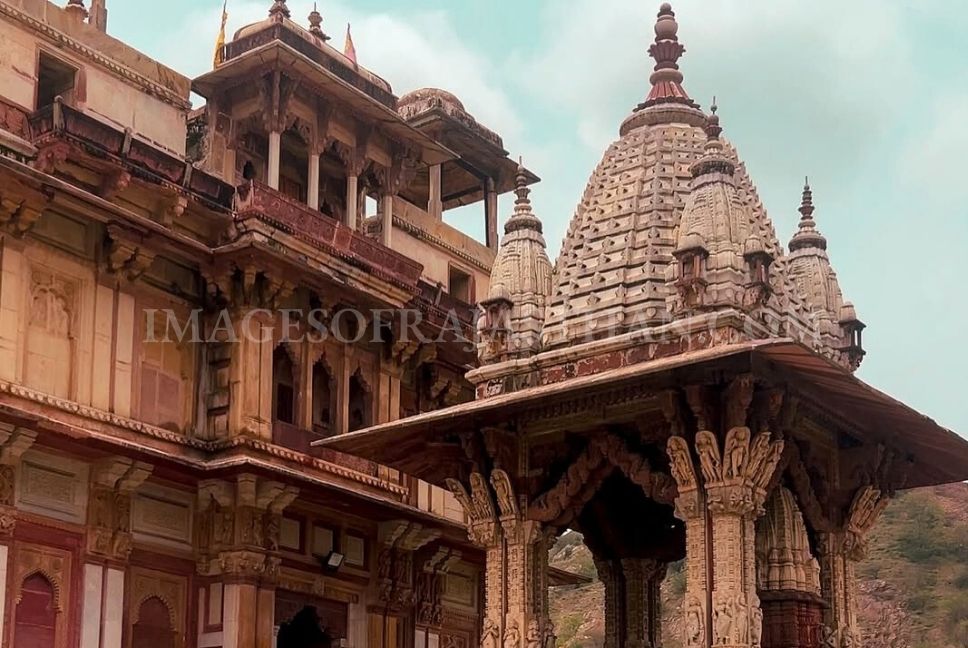
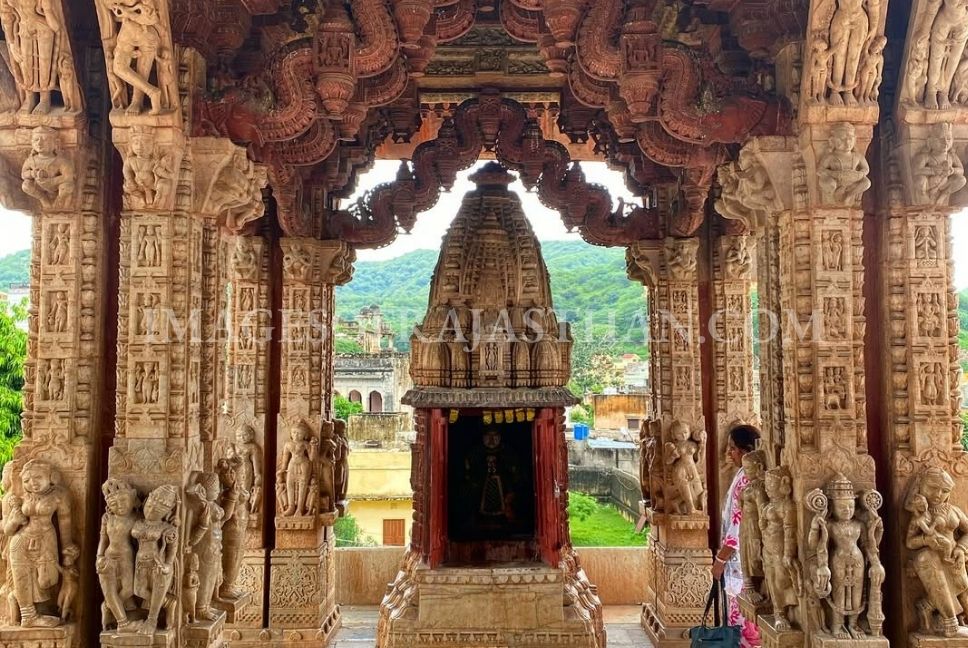
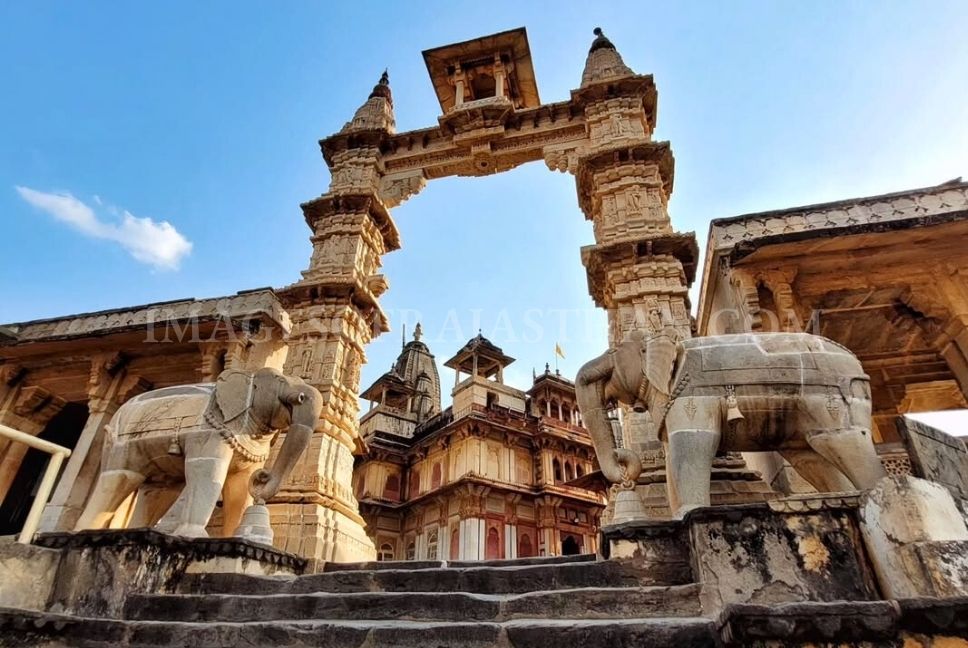
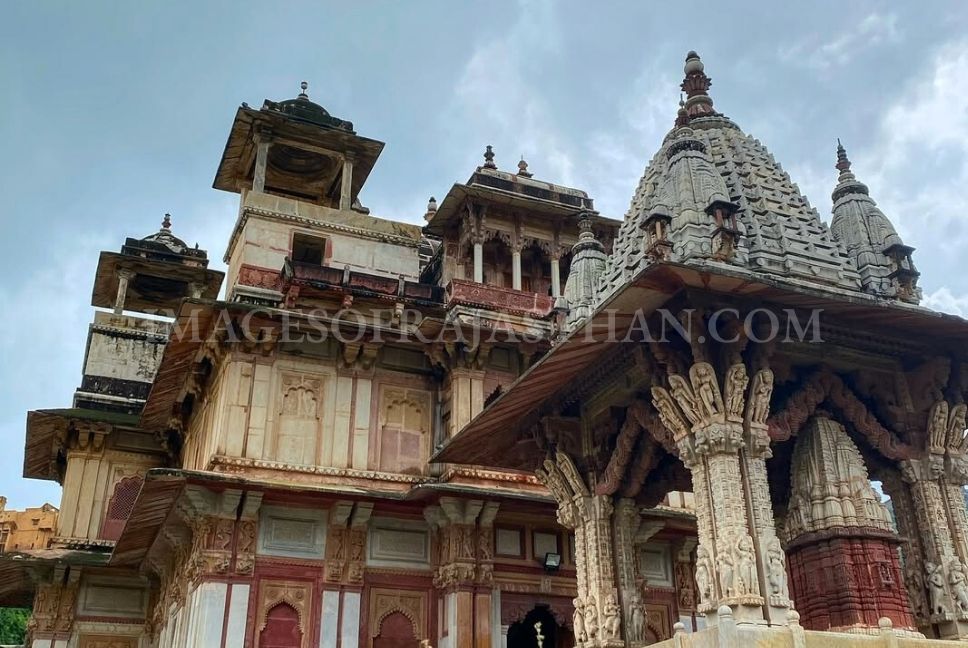
According to local tradition, the temple houses the very same idol of Krishna that Meera Bai worshipped devoutly in Mewar (Chittorgarh), an idol that was relocated to Amer for safekeeping during a period when threats from Mughal forces loomed large and subsequently consecrated within this temple thereby enriching the site’s spiritual and historical significance. Architecturally, the Jagat Shiromani Temple is a stunning and successful fusion of multiple influences reflecting a remarkable blend of the indigenous North Indian Nagara style—evident in the towering sikhara (spire) above the sanctum, similar to those found at Khajuraho—and elements of contemporary Mughal architectural taste which can be attributed to King Man Singh I’s high position and close alliance with the highly tolerant Emperor Akbar, a fusion that scholars have noted to be even more ornate than some buildings in Akbar’s capital, Fatehpur Sikri. This eclectic blend is manifested in the use of local red and white sandstone and marble elaborately carved pillars the vaulting of the main mandapa (pillared hall), the presence of jali screens, and pointed arches with spearpoint fringes, which are Mughal-derived elements. Conversely, the magnificent torana (ornamental gateway) at the temple’s entrance remains entirely derived from indigenous Hindu conventions, while the temple’s base features a multi-layered sculptural program carved with rows of elephants and other traditional vignettes.
The temple is roughly cruciform in plan, featuring a spacious centrally-placed mandapa bookended by the sikhara on the south and a freestanding Garuda Mandapa on the north which is dedicated to Lord Vishnu’s mount. Within the garbhagriha (inner sanctum), the idols of Krishna and Meera Bai are housed surrounded by intricately carved walls and ceilings adorned with Hindu deities mythological figures, musicians, dancers and elaborate floral motifs that signify the high craftsmanship of the late 16th and early 17th centuries with scenes from epics like the Ramayana and Mahabharata subtly integrated into the stone work. The temple holds an immense place in the legacy of the Bhakti movement and continues to be a site of deep cultural and spiritual interest drawing not only devotees of Krishna and Meera Bai but also cultural historians and it is a center of large-scale cultural activity during festivals like Janmashtami when large numbers of devotees gather for special darshan and bhajans dedicated to the divine love of Krishna and Meera.
Quick Overview
The Jagat Shiromani Temple is a revered 17th-century Hindu shrine in Amer, built by Queen Kanakwati in memory of her son, Jagat Singh. This temple is unique, dedicating its worship to Lord Krishna, Lord Vishnu, and the poet-saint Meera Bai. Architecturally, it is a magnificent fusion of North Indian Nagara and Mughal styles, built with intricate sandstone and marble carvings. Legend holds that it houses the idol of Krishna once worshipped by Meera Bai, making it a powerful symbol of spiritual devotion and a cultural landmark.