
About Kishan Bagh
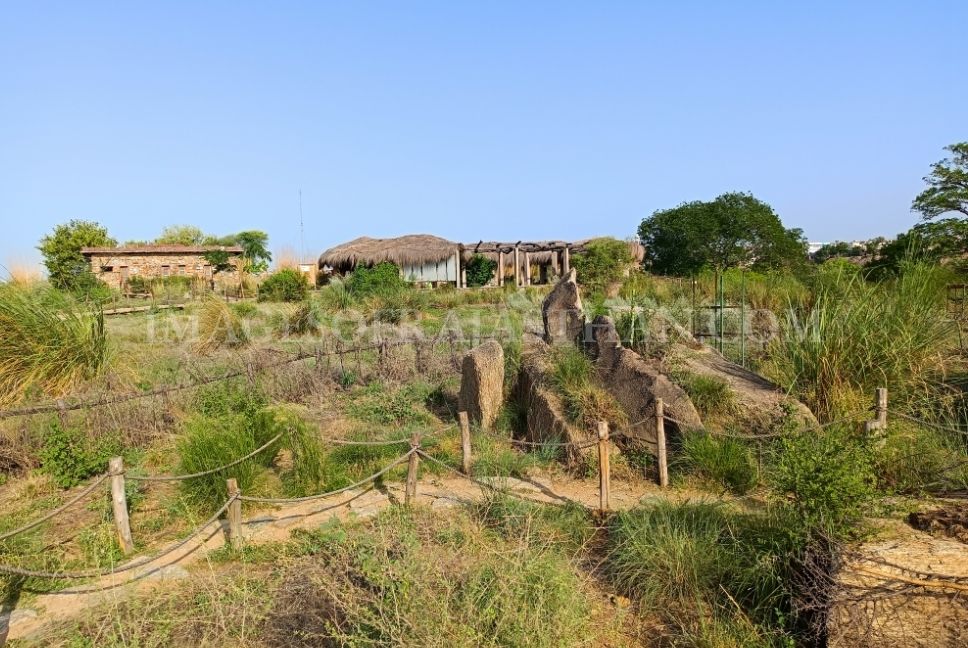
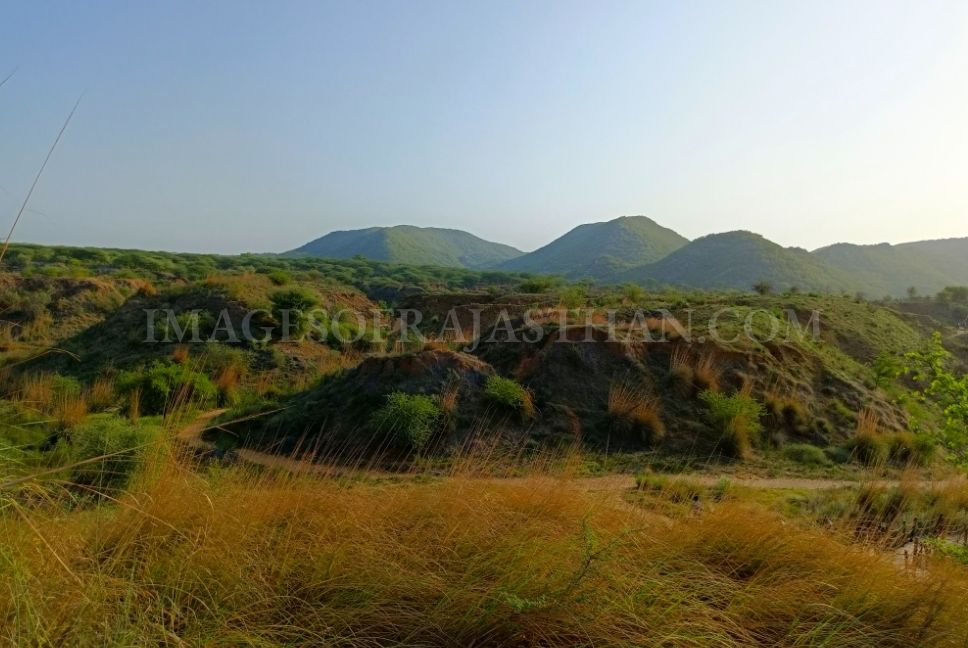
Kishan Bagh is a truly unique and lesser-known gem in the Pink City offering a mesmerizing and vital blend of nature, intensive ecological restoration and tranquility, strategically positioned right at the southwestern foot of the imposing Nahargarh Fort in Vidhyadhar Nagar, at the base of the majestic Aravalli Hills defining a crucial ecological zone within the compass of a bustling state capital. This remarkable and pioneering site, which was once a severely degraded and neglected sandy tract of land near a sand quarry and was considered wastelands with poor relics of a natural ecosystem, has been meticulously restored and rewilded by the Jaipur Development Authority (JDA), under the expert guidance of renowned ecological restoration practitioners and architects, including the environmentalist and historian Pradip Krishen, transforming it into an authentic functioning desert-themed ecological park—a seminal project in ecological landscaping in India. The central focus and ecological essence of Kishan Bagh is to showcase and revitalize the natural Aravalli desert landscape which includes sprawling sand dunes that had come to a standstill and natural rocky terrain by featuring only the native plants and shrubs unique to Rajasthan in their raw untouched form offering an amazingly different experience than traditional manicured gardens.
The vision driving the park’s design was purposefully ambitious: rather than turning it into a conventional water-intensive garden, the goal was to revive the native desert habitat using local species and materials meticulously promoting water conservation and sustainability by strictly using no lawns exotic species or any artificial irrigation, making it a powerful testament to sustainable conservation. Work on the ambitious project to rejuvenate this former sand quarry, named after a soldier, Kishan Singh, began in the monsoon of 2016, and the park, which represents an attempt to breathe life back into a desert ecosystem that was visibly gasping for breath, was finally inaugurated by Rajasthan’s Chief Minister in late 2021 and has quickly become a popular tourist attraction for both Jaipur’s residents and visitors seeking an insight into the region’s natural history.The entire ecological concept of Kishan Bagh centers critically around the natural shrubland known locally in Marwari as ‘Roee,’ a native shrubland ‘jungle’ that has historically been unrecognized unappreciated and mistakenly treated by many including the Forest Department, as a ‘wasteland’ that needs to be ‘rescued’ by feeding it water and encouraging agriculture despite its ecological importance that stands alongside the finest natural habitats in arid lands globally.
The park, which drew inspiration from other similar stranded or ‘obstruction’ dunes found in places like Bhadrajoon and Ahor in Jalore, is dedicated to reversing this neglect by bringing back the plants, insects, birds and small wildlife that one would naturally expect to find in India’s western desert. The restoration involved a careful and scientific re-introduction of over 100 species of arid flora native to Rajasthan, including essential and iconic species like Ber (Ziziphus), Khejri, Rohida, Thor (Euphorbia), and various cacti, along with small grasses and even the crucial micro-organisms that form the base of the entire ecosystem. This critical re-introduction was executed using a unique complex method developed by Pradip Krishen which involved the strategic ‘inoculating’ of the degraded habitat with soil and dust brought from richer, established habitats; this transfer brought not only micro-organisms and seeds of a large number of associated species but also dusted the dunes with minerals essential to supporting the new plant life.
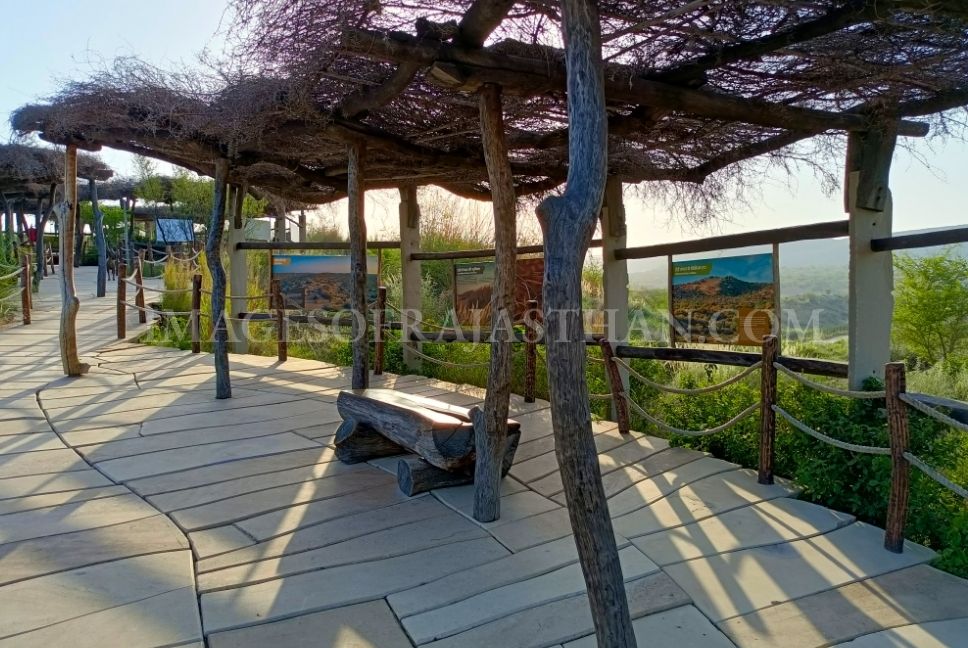
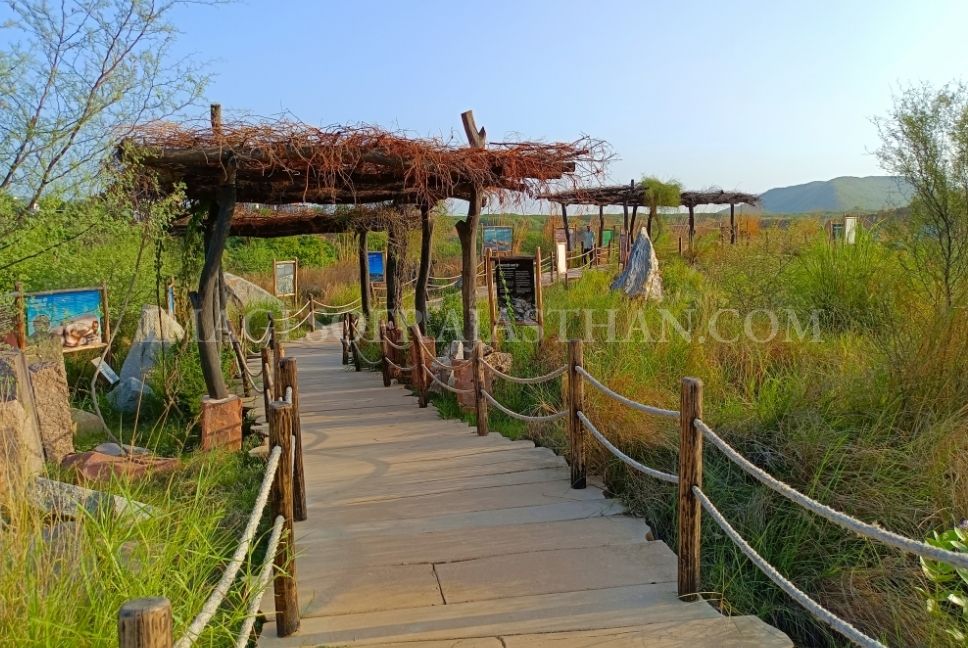
Visitors are guided through this carefully rewilded sprawling landscape via elevated wooden walkways and stone paths which are intentionally designed to allow for tranquil strolls, photography and nature studies without causing any disturbance to the fragile ecosystem leading directly through the natural sand dunes that faithfully replicate the Thar Desert’s formations and past natural rock formations. Beyond being a peaceful getaway—offering a calm, soothing atmosphere particularly noted as a perfect spot to enjoy breathtaking sunsets and for arthropod lovers during the monsoons—Kishan Bagh functions as a sophisticated living museum of desert ecology and an excellent educational site. It provides engaging natural history exhibits where visitors can learn all about sand—where it comes from and what it is made of—and rocks raising crucial awareness about the importance of native plants, soil restoratio and the ecological value of the ‘Roee,’ with the hope that it will become a unique learning experience, providing engagement, pleasure and scientific interest to both specialists and the general audience alike.
Quick Overview
Kishan Bagh is a lesser-known desert restoration park in Jaipur, located at the foothills of Nahargarh, showcasing Rajasthan's authentic arid ecosystem. Restored by the JDA, it features natural sand dunes, rocky terrain, and over 100 species of native desert flora, including the vital 'Roee' shrubland. The park uses sustainable, water-conserving design with no artificial irrigation, promoting re-wilding of urban spaces. Visitors explore the landscape via elevated walkways, offering tranquil spots for nature study and sunset viewing. It stands as a unique ecological exhibit and a testament to conservation, perfect for enthusiasts seeking the real Thar experience.