
About Ramniwas Garden
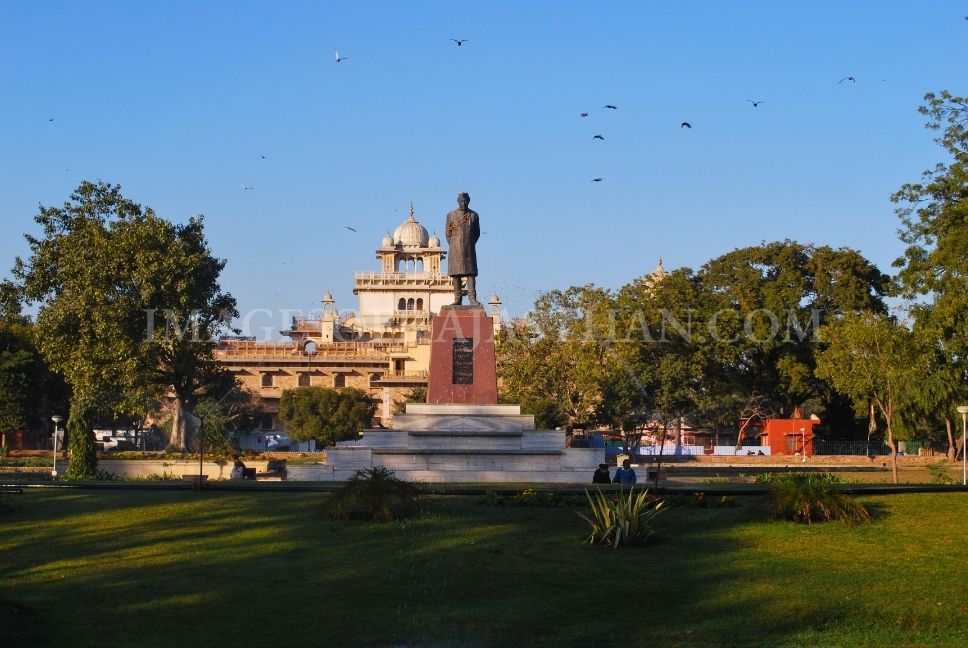
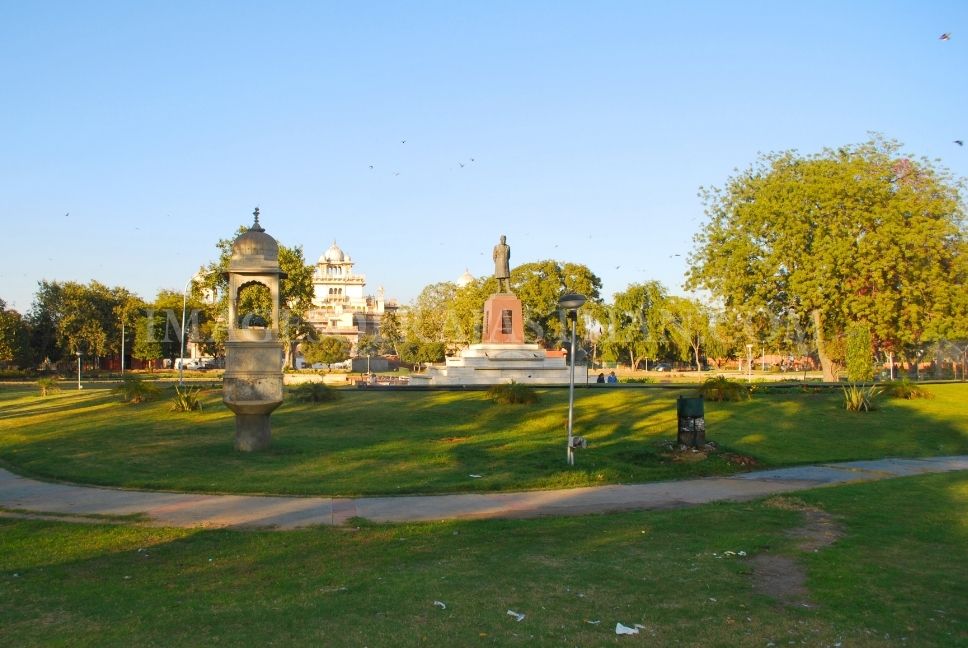
The Ram Niwas Garden, strategically located in the heart of Jaipur, Rajasthan, is a historically significant and vast garden complex that offers a peaceful sanctuary of lush vegetation, calming ponds and imposing monuments amidst the bustle of the city. Originally conceived and built by the visionary Maharaja Sawai Ram Singh II in 1868, this sprawling space, which initially occupied 76 acres of land before being reduced to just over 30 acres to accommodate modern facilities, was primarily intended to serve as a regal retreat and a public park and notably, it was built as a famine relief project, lending it a humanitarian foundation. The beautifully landscaped garden was meticulously designed by Colonel Sir Swinton Jacob, reflecting the mastery and intricacies of colonial design principles and it is considered a significant historical landmark that offers visitors a glimpse into the lifestyle and opulence of the royalty during the British Era.
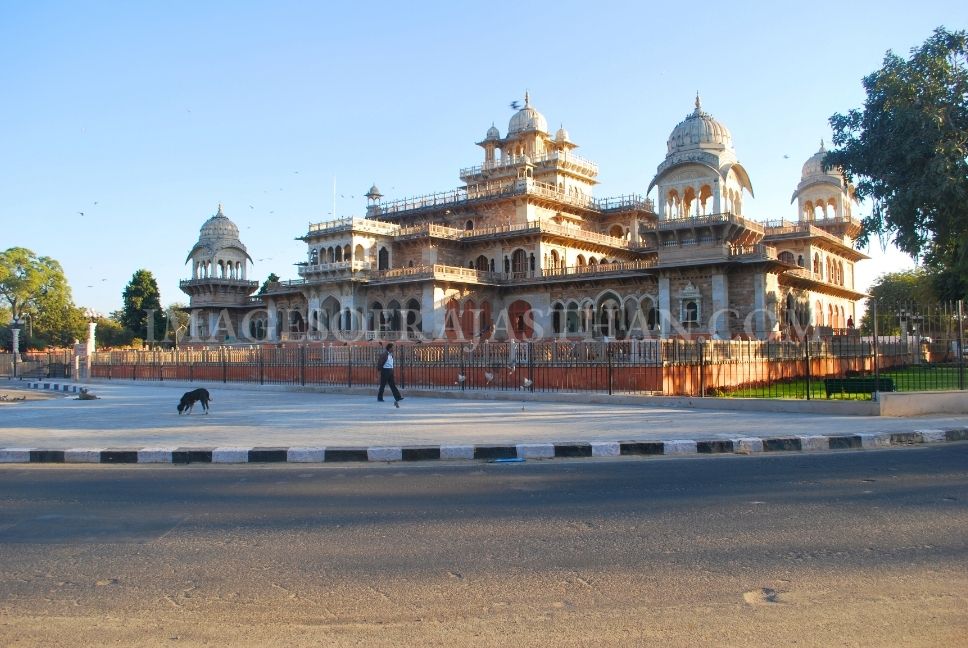
As you explore the cool, meandering pathways, towering trees provide welcome relief from the intense Jaipur heat, while vibrant flowers adorn the surroundings in an explosion of colour, creating an ideal setting for rest and renewal, whether one is seeking a leisurely walk, a picnic, or simply some peace. The garden complex is most famous for housing the magnificent Albert Hall Museum (also known as the Government Central Museum), an architectural marvel in the Indo-Saracenic style built in the late 19th century, which is itself a major cultural gateway to the region’s rich history and artistic expressions, containing the Maharaja Sawai Man Singh II Museum within its premises, showcasing a fascinating array of artifacts from miniature paintings to antique weapons and royal costumes. Beyond the museum, the Ram Niwas Garden complex is a cultural and ecological hub containing several other major attractions, including the Jaipur Zoological Garden, which was built in 1877 and is considered one of the oldest zoos in India and the fourth largest Gharial (crocodile species) breeding farm, attracting Botany and Zoology enthusiasts who study the diverse flora and fauna.
Another significant component is the Ravindra Rang Manch Theatre, a center for art, method acting, and performances of plays based on Indian mythology, along with classical dance and music, which also houses a dedicated Art Gallery on its first floor that displays numerous sculptures by famous artists. The garden itself features beautifully manicured lawns, serene ponds where lotus blossoms sway gently and elegant fountains that add freshness to the atmosphere, while the grounds are also equipped with an exhibition area reserved for art and cultural exhibition purposes. The garden’s scenic environment provides a haven for nature lovers, where peacocks proudly strut and squirrels play and visitors can further enjoy boat rides on the soothing waters, or even take horse riding sessions offered during the evenings for a minimal charge, allowing one to ride around the garden’s grand premises. Historically, the garden’s operating hours were initially divided, with the day reserved for the general public and evenings meant exclusively for the British families and royalty a sight that in those days featured the streets outside washed in dim street lights and lined by horse carriages underscoring its regal past. After sunset, the garden takes on an even more fascinating appearance as it is beautifully lit with lamp posts that emit a warm glow providing an unforgettable experience that continues to captivate and inspire.
Quick Overview
The Ram Niwas Garden is a vast, historically significant garden complex located in the heart of Jaipur, built by Maharaja Sawai Ram Singh II in 1868. It serves as a peaceful oasis, spanning over 30 acres of beautifully landscaped grounds featuring lush greenery, ponds, and fountains. The garden is a major cultural node, housing the iconic Albert Hall Museum, the Jaipur Zoo, and the Ravindra Rang Manch Theatre and Art Gallery. It reflects a mix of colonial design and royal intent, having originally served as a famine relief project and royal retreat. Visitors use the garden as a tranquil spot for picnics, strolls, and to enjoy various cultural and natural history attractions.