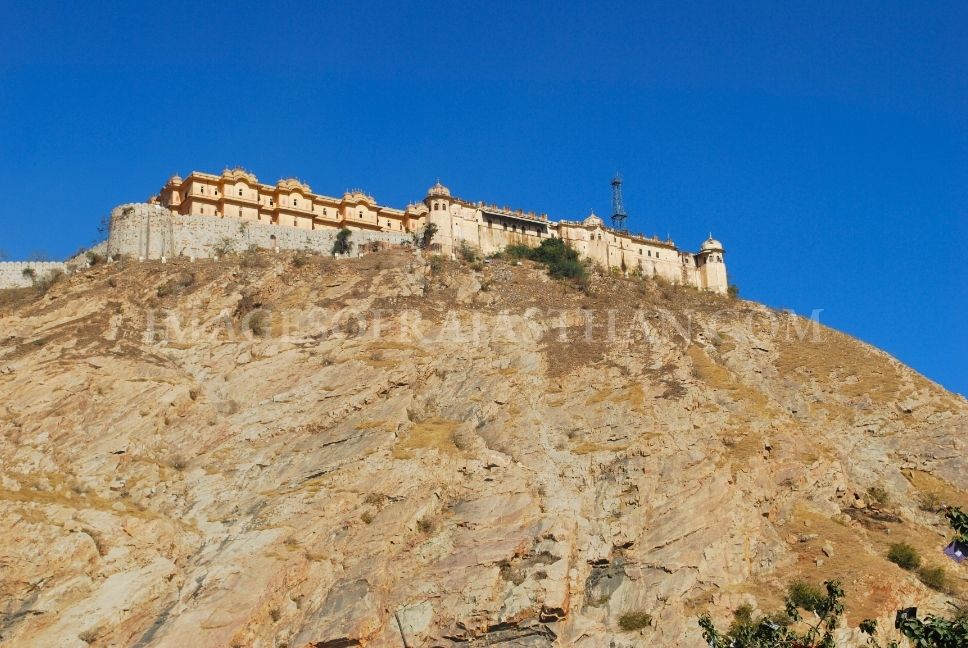
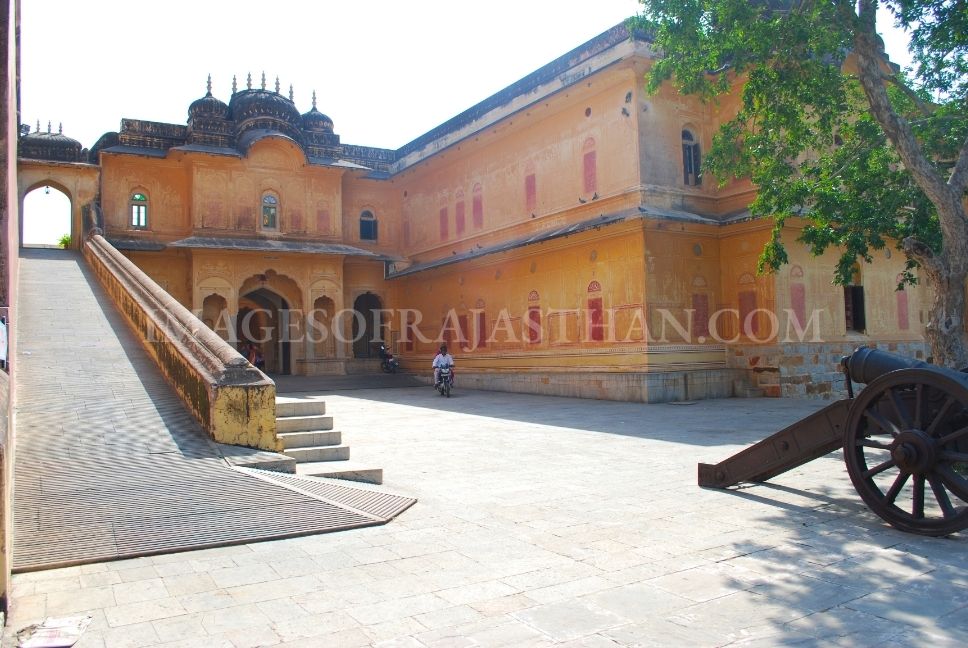
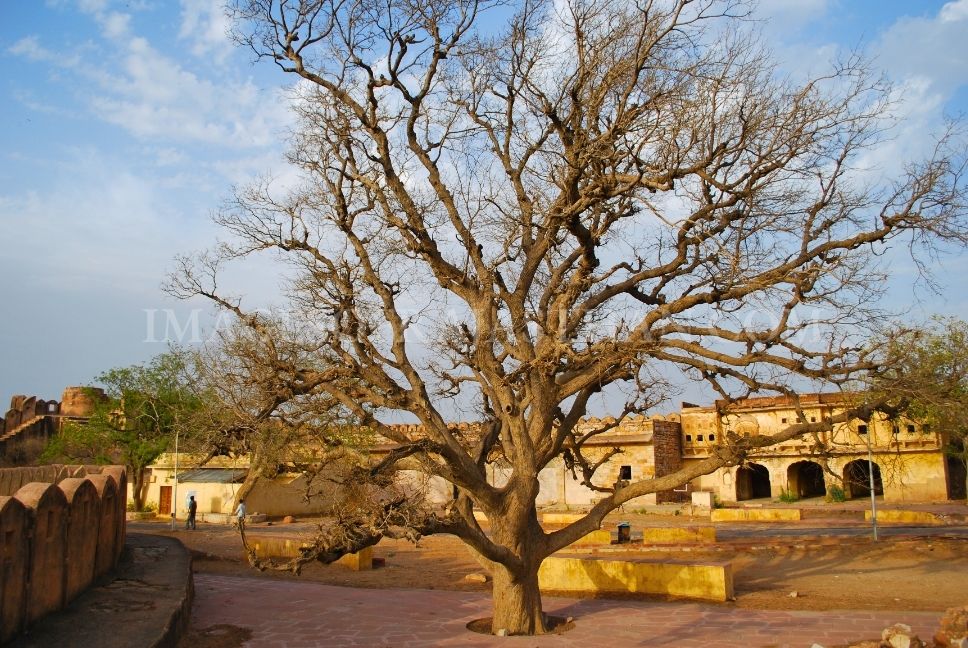
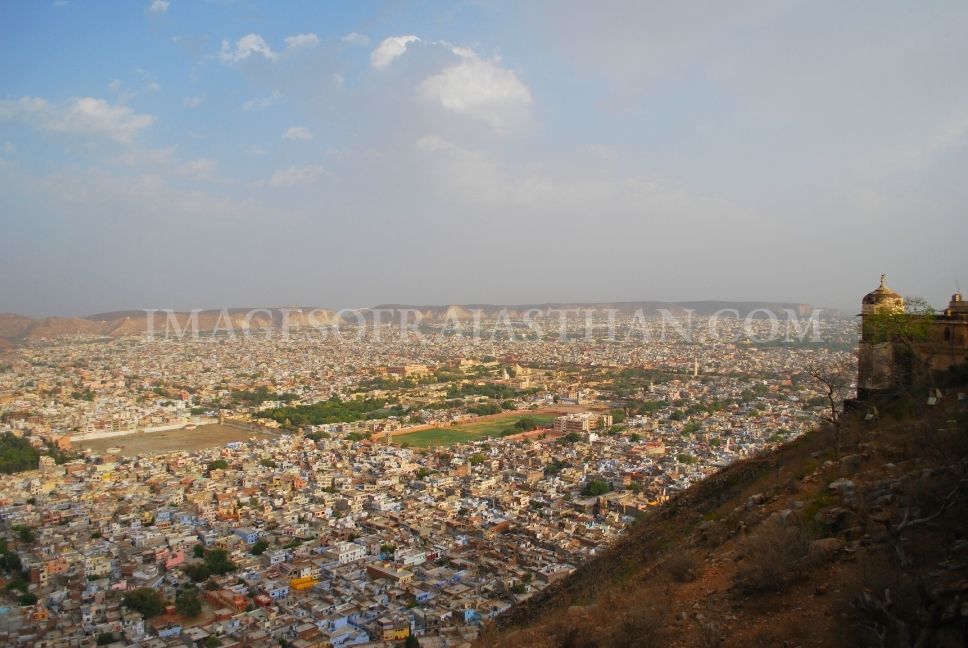
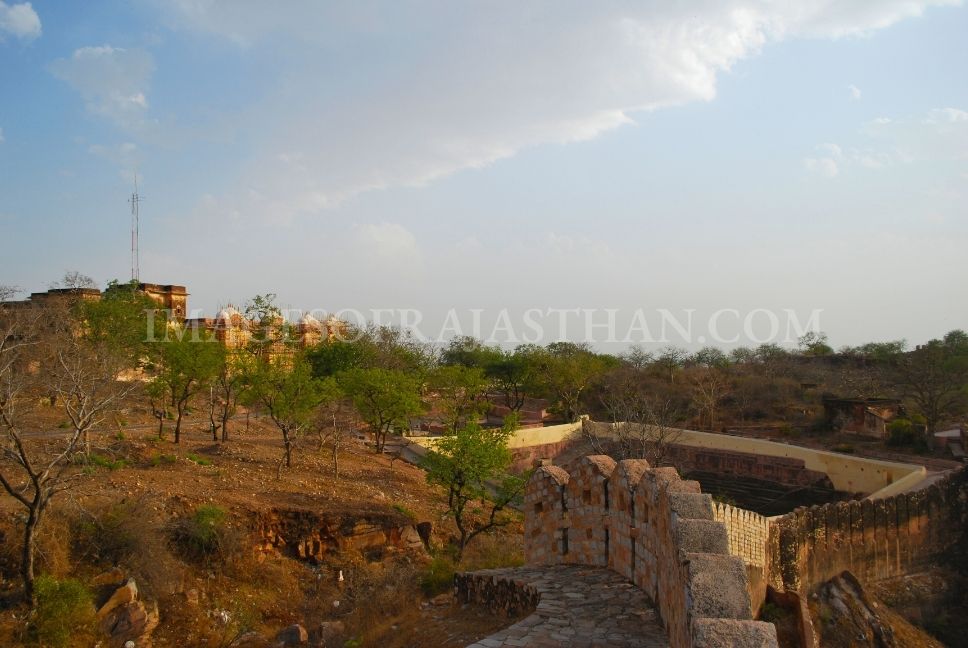
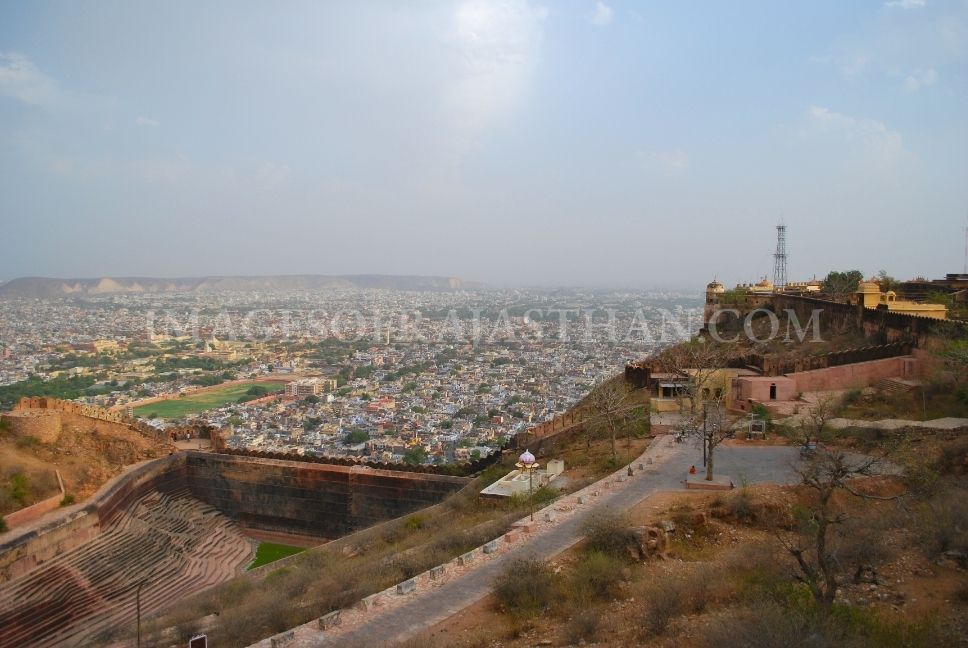
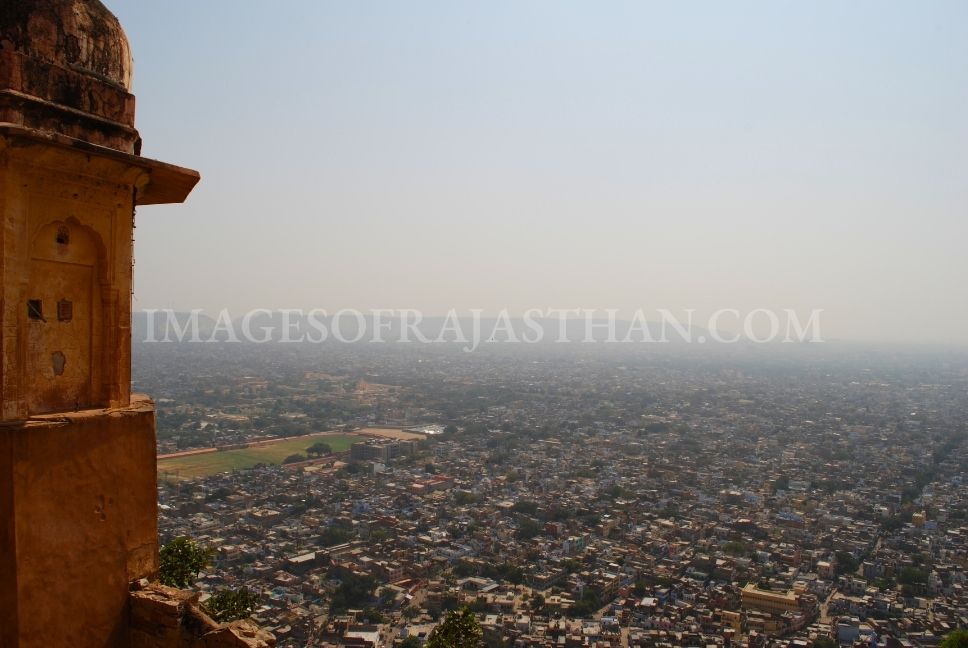
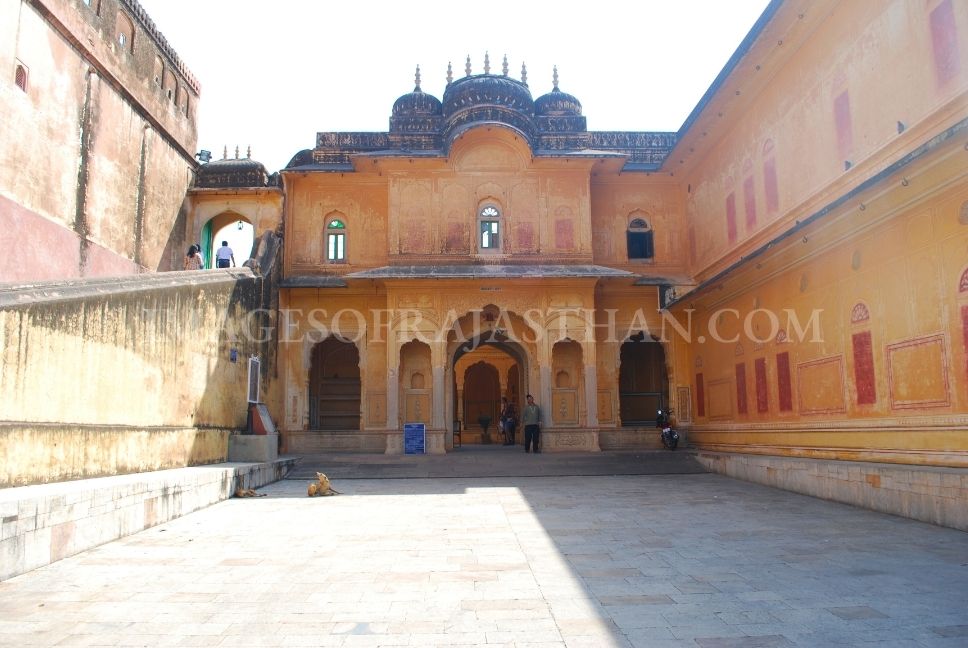
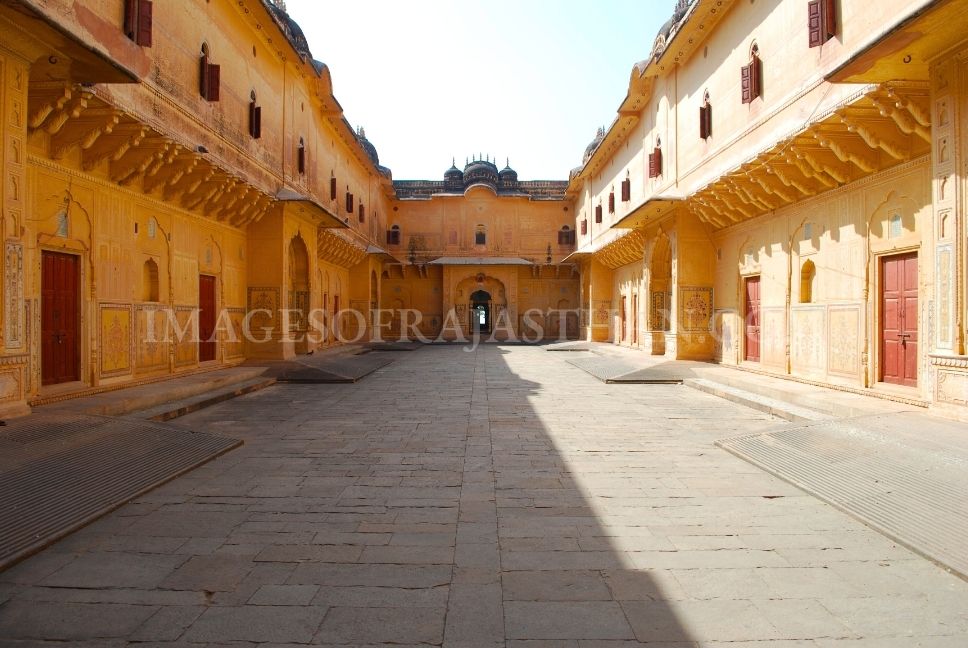
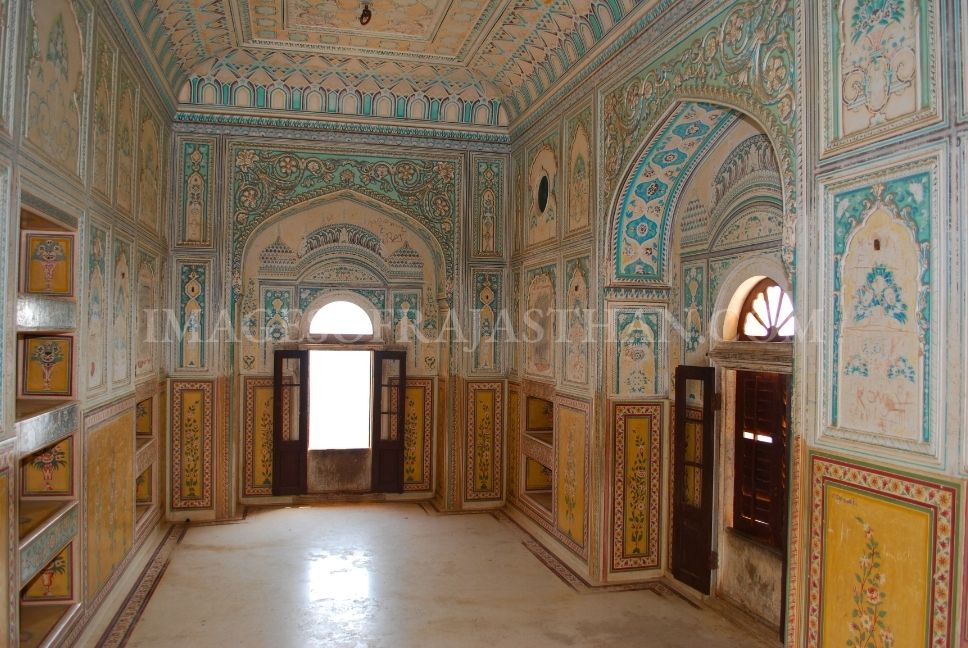
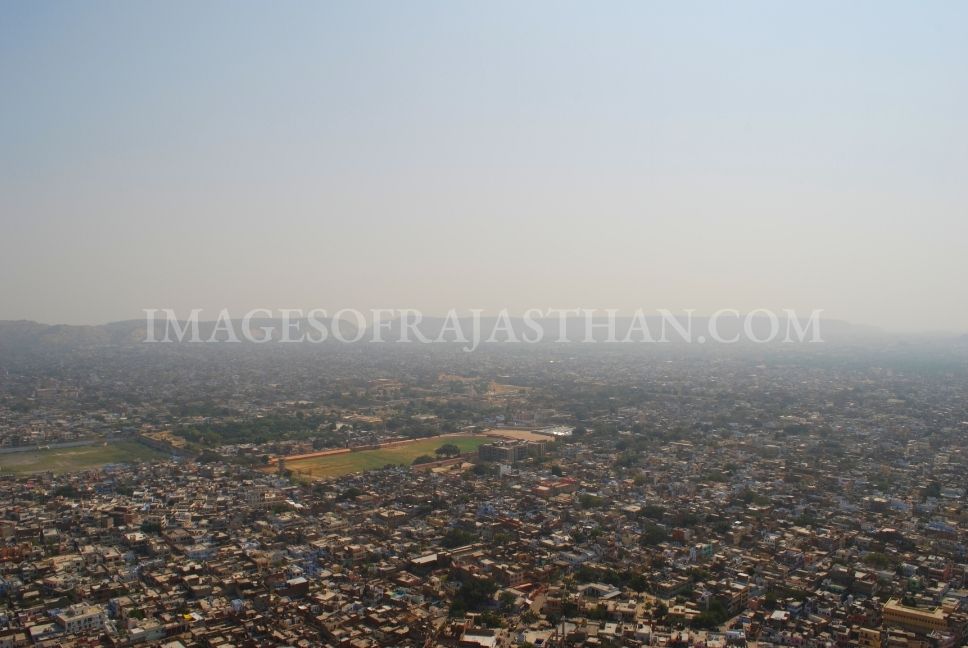
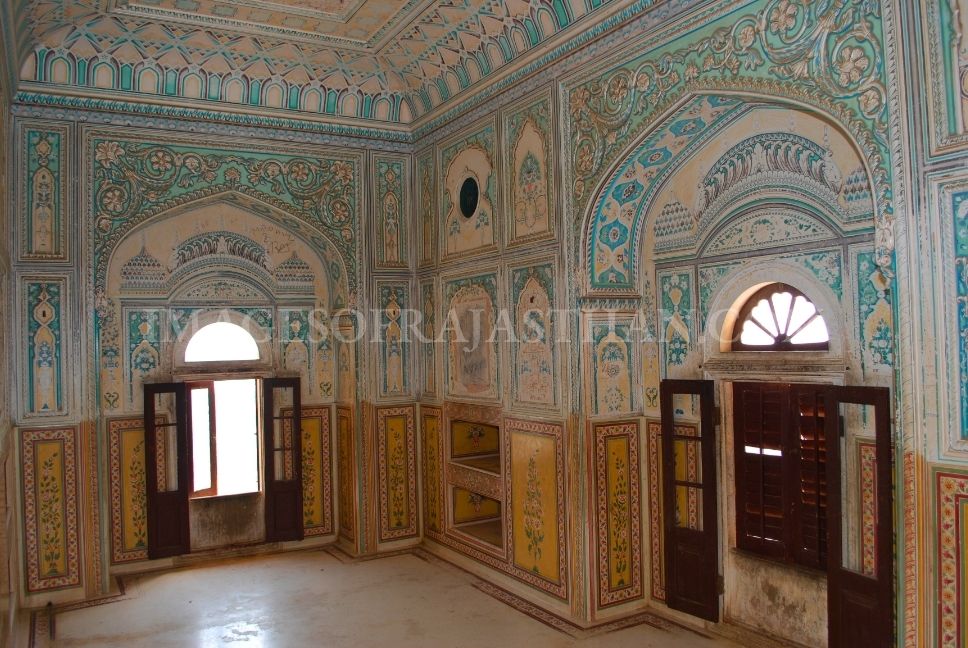
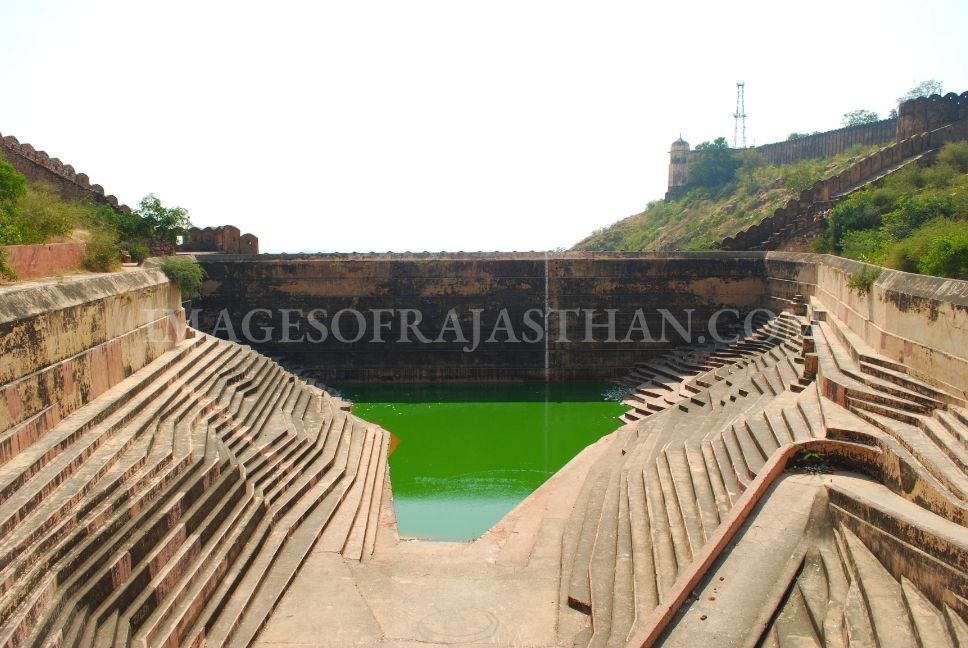
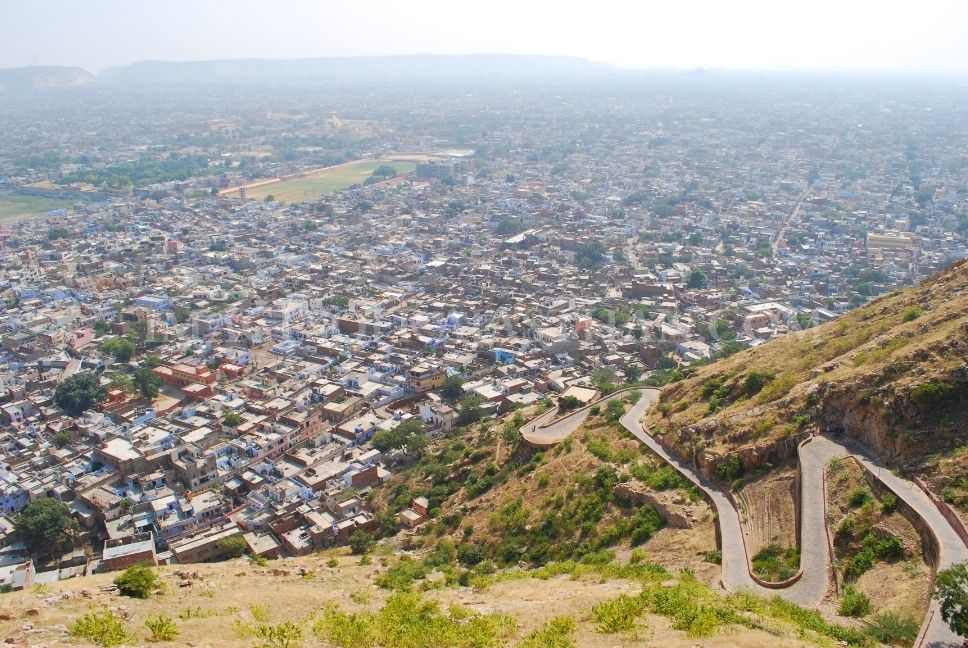
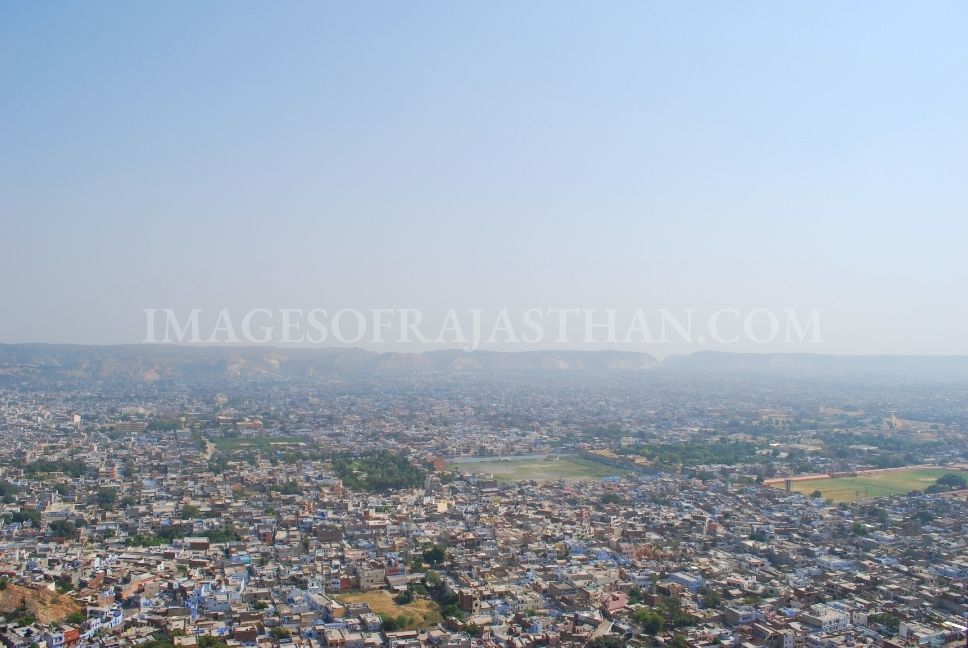
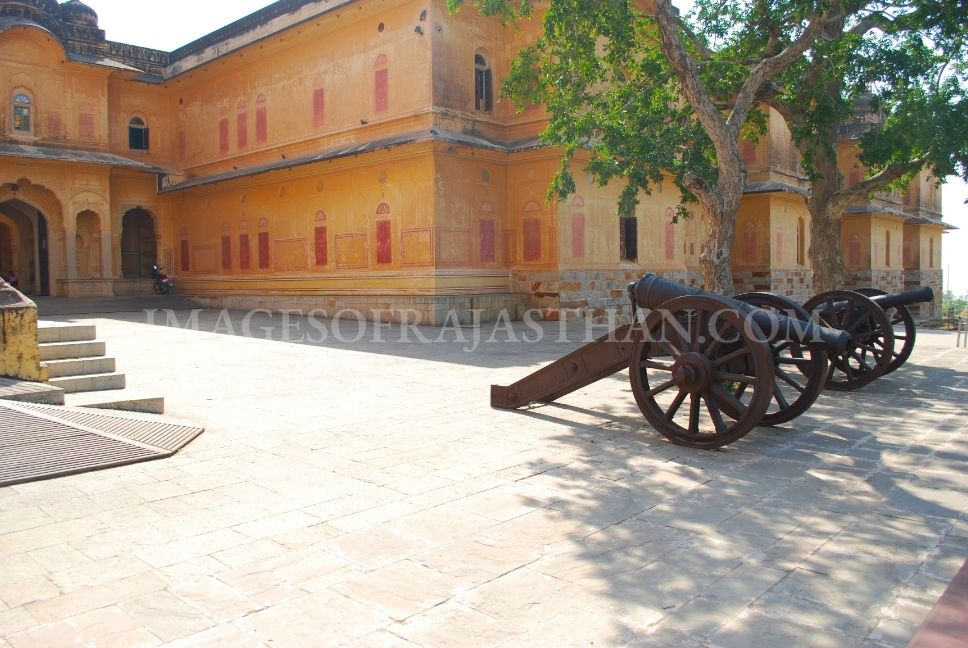
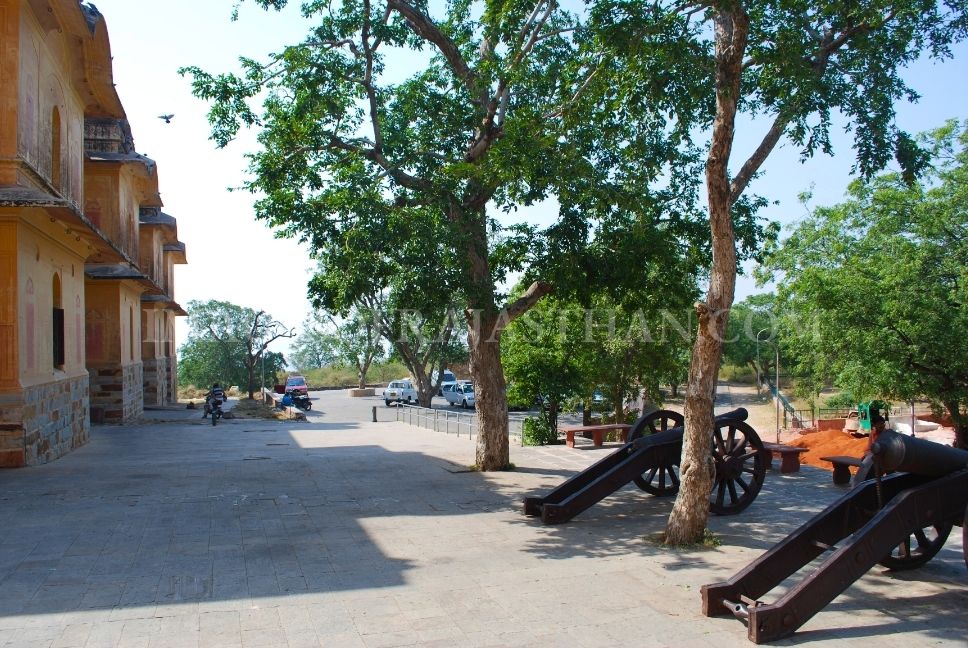
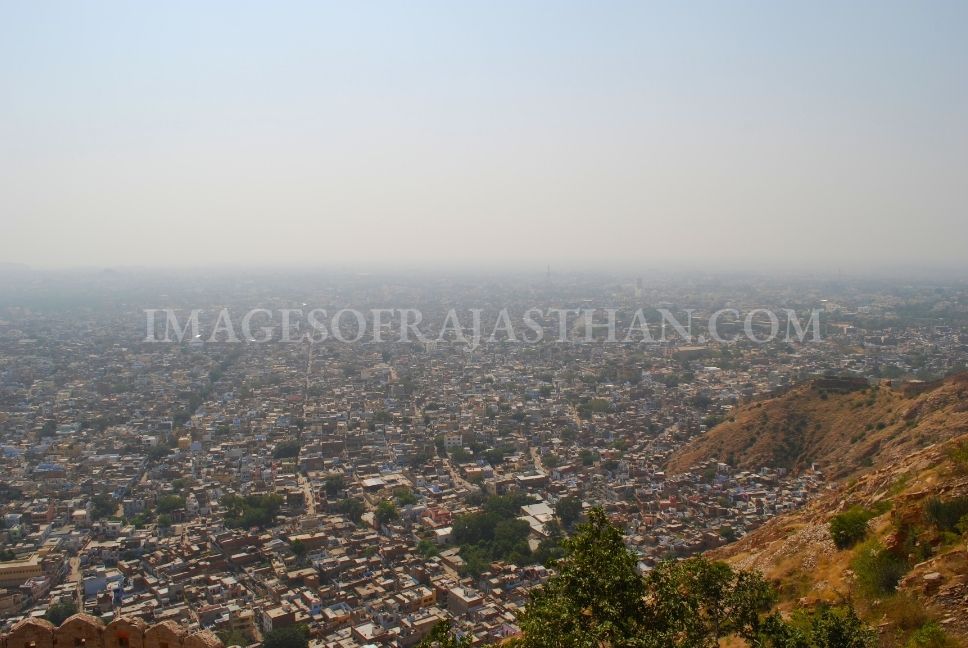
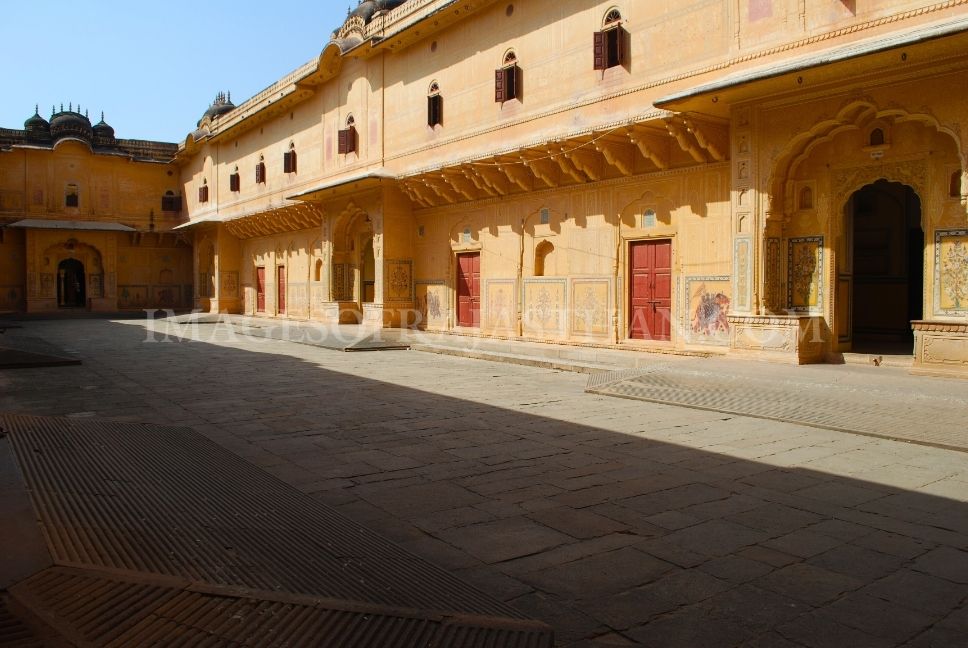
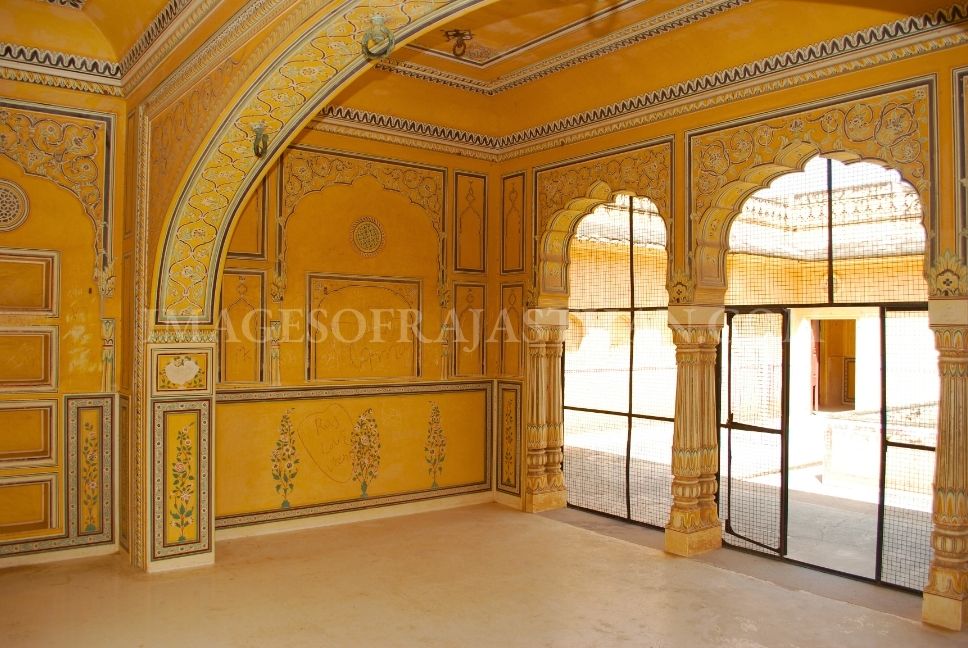
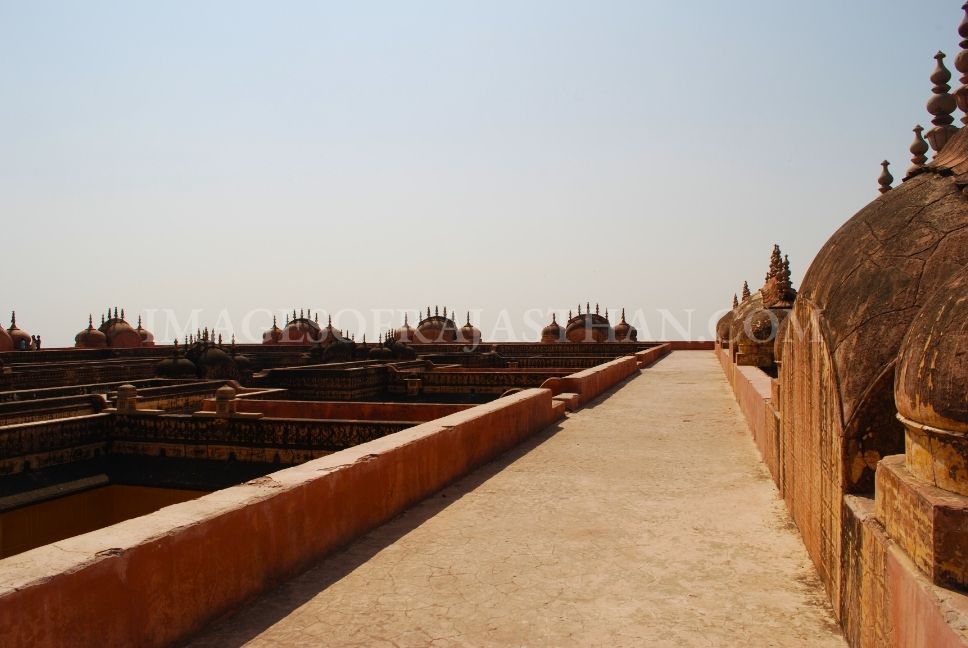
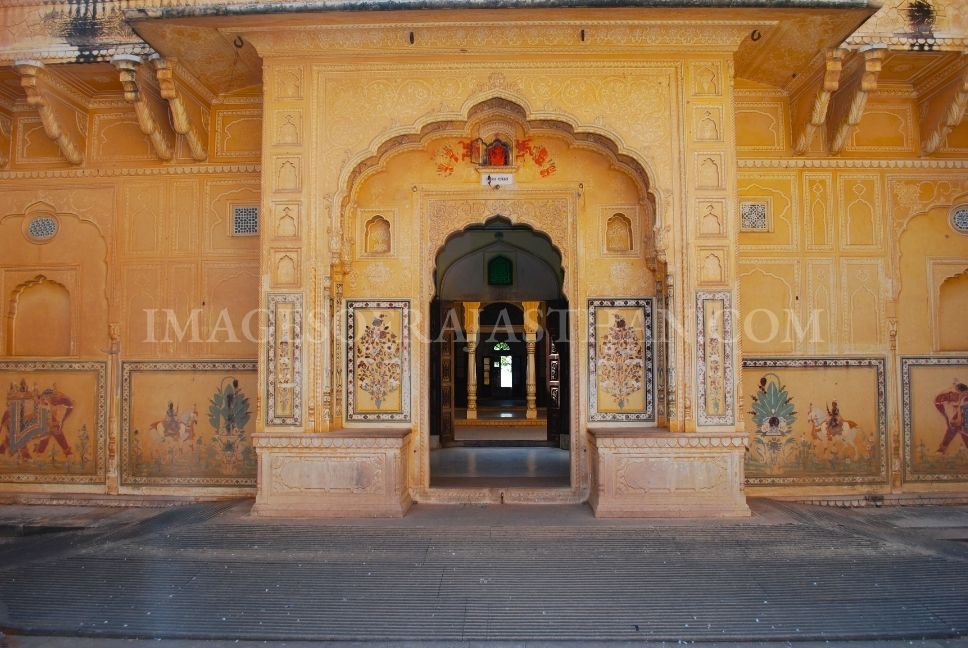
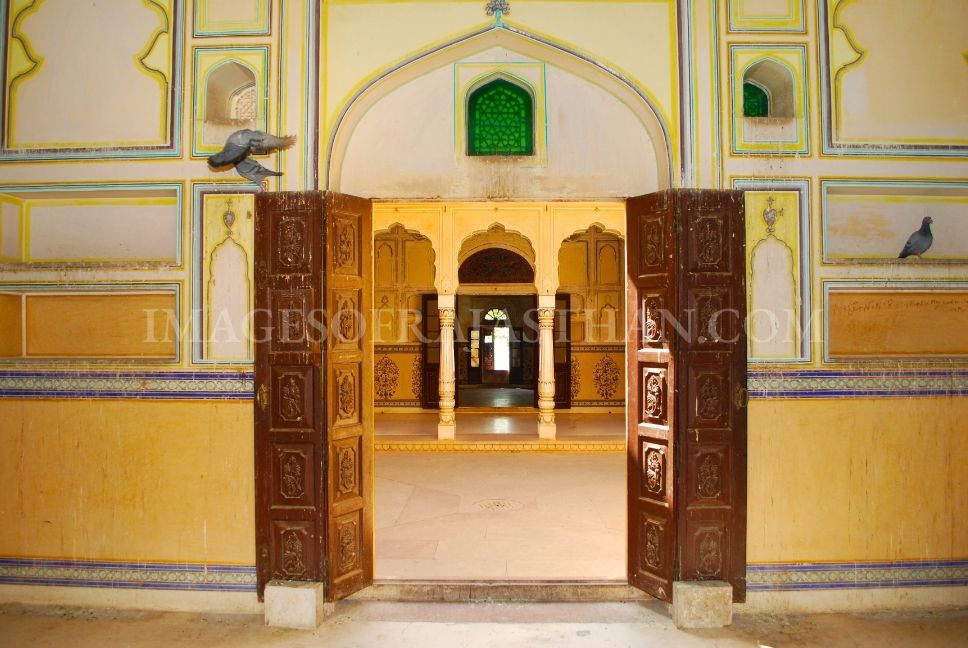
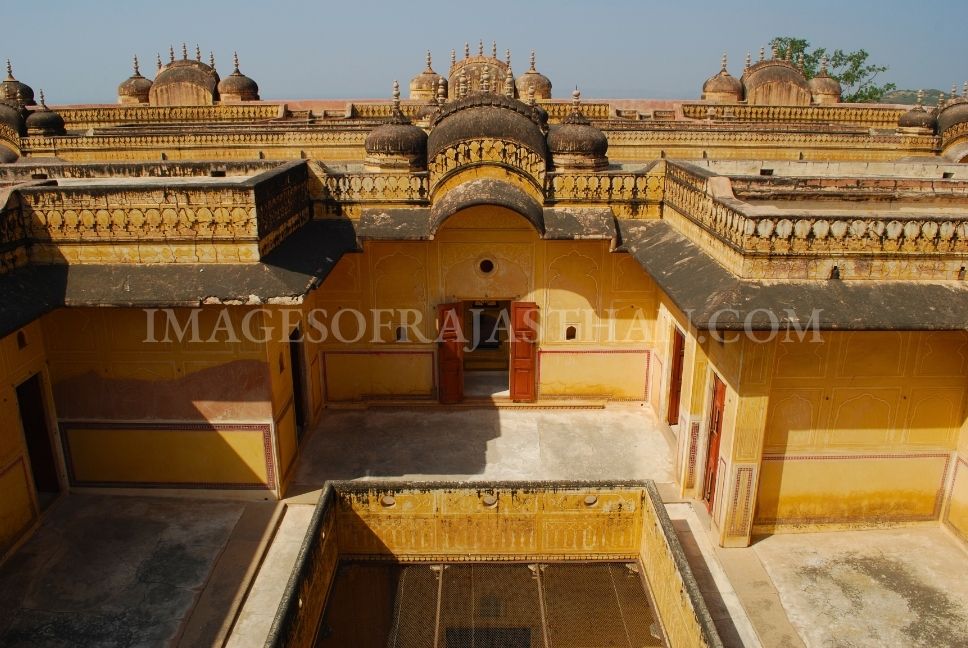
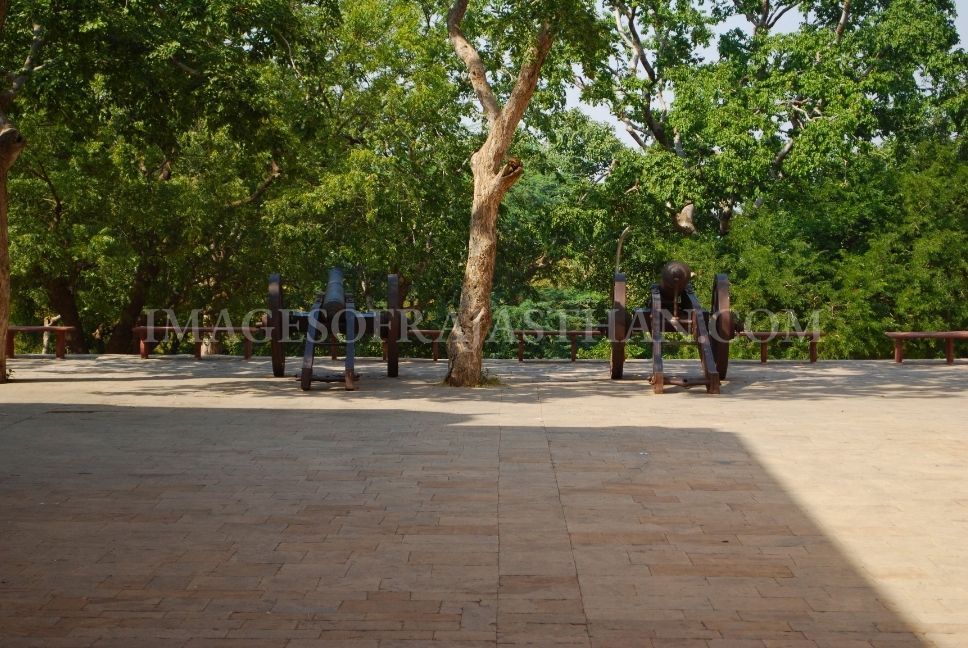
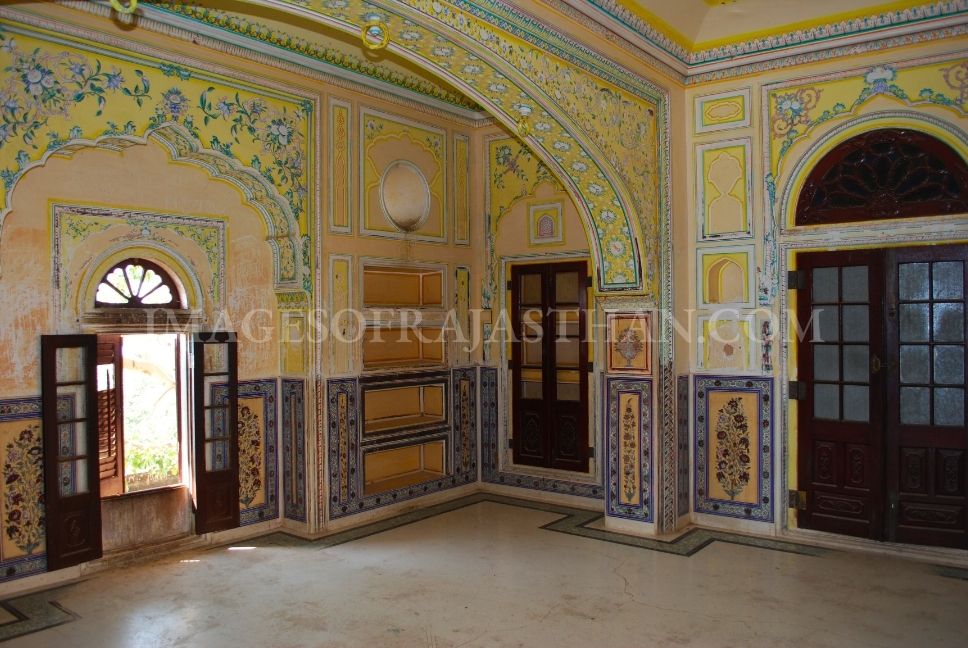
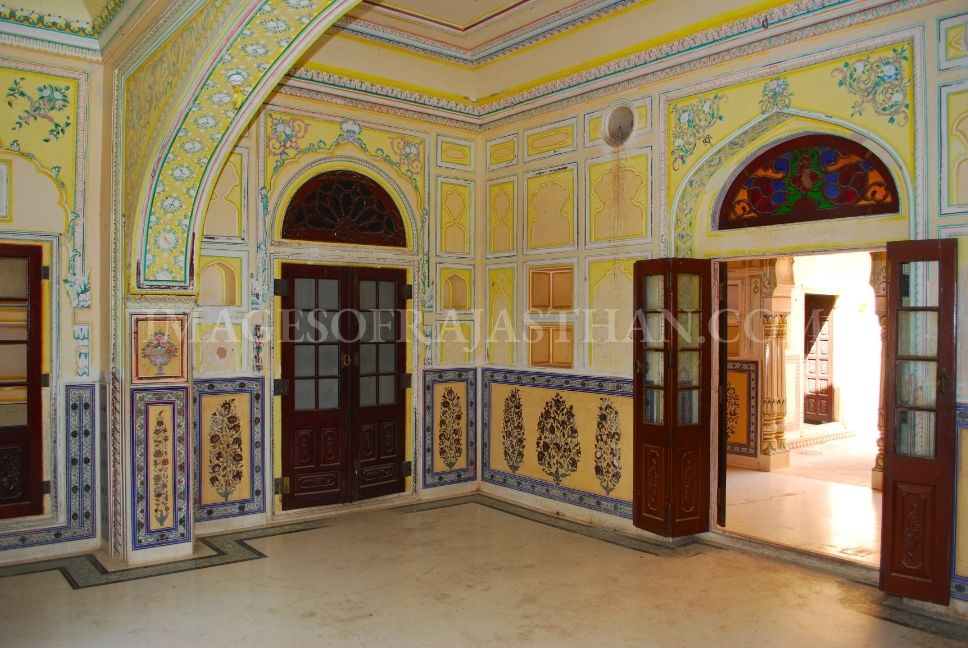
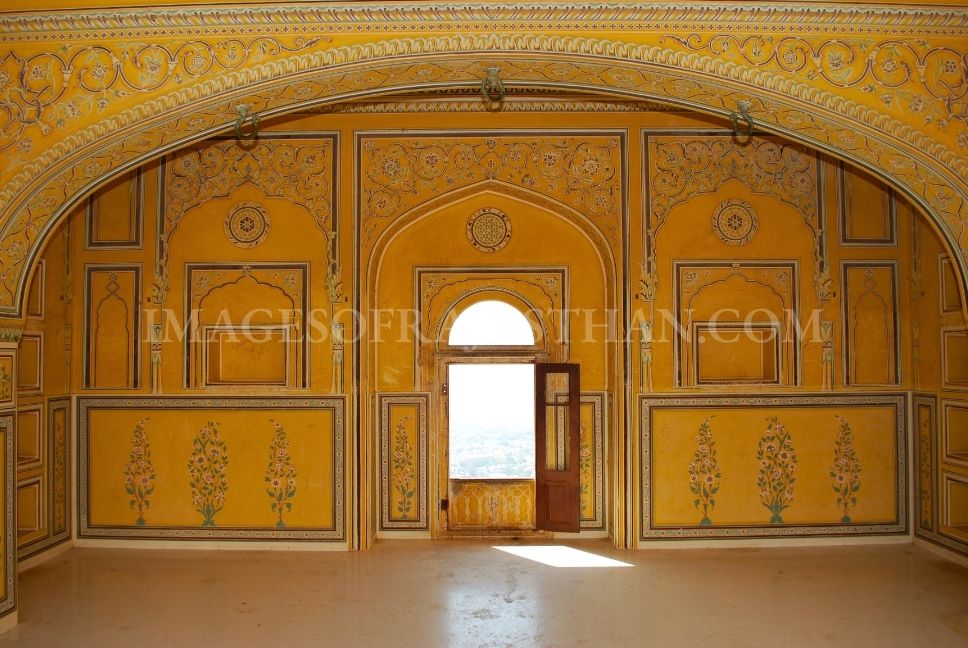
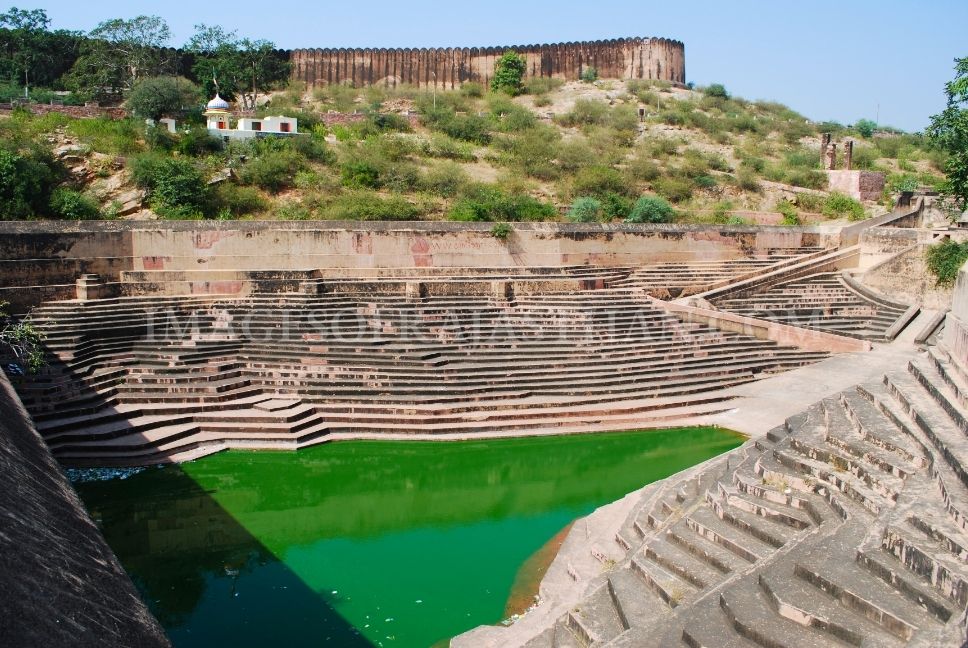
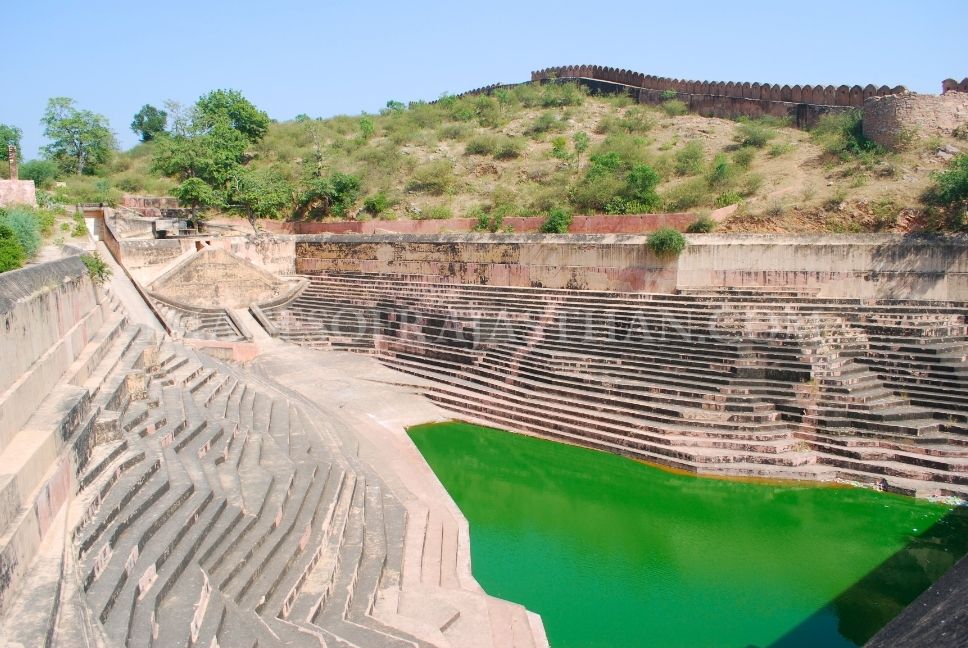
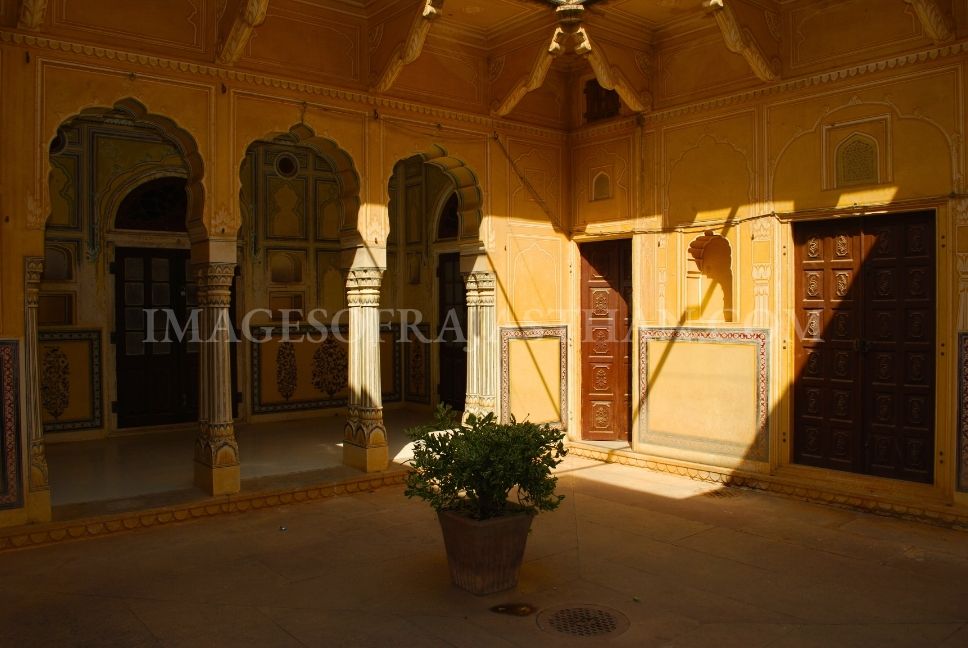
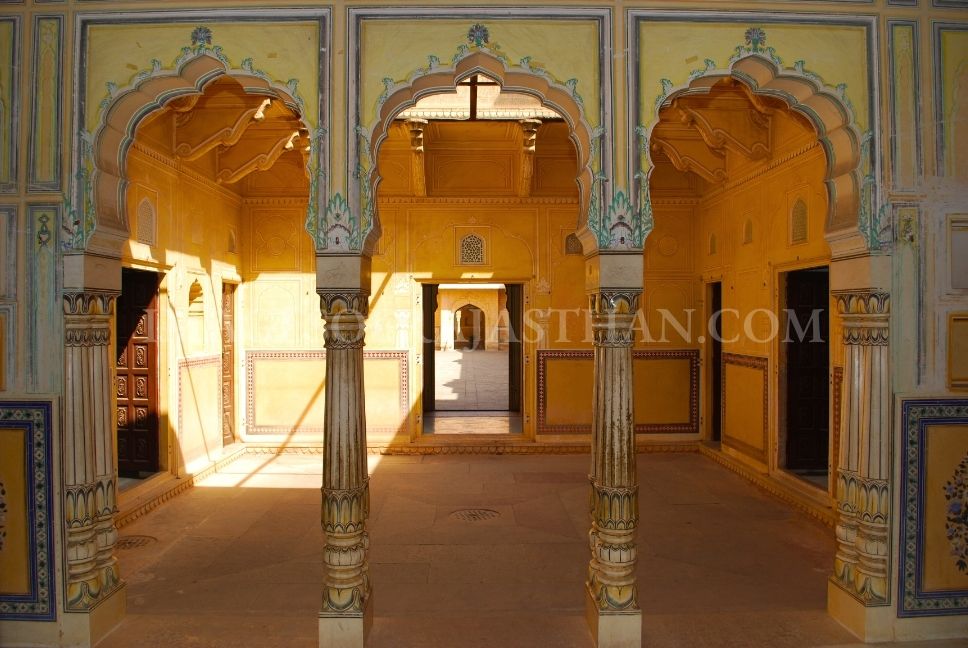
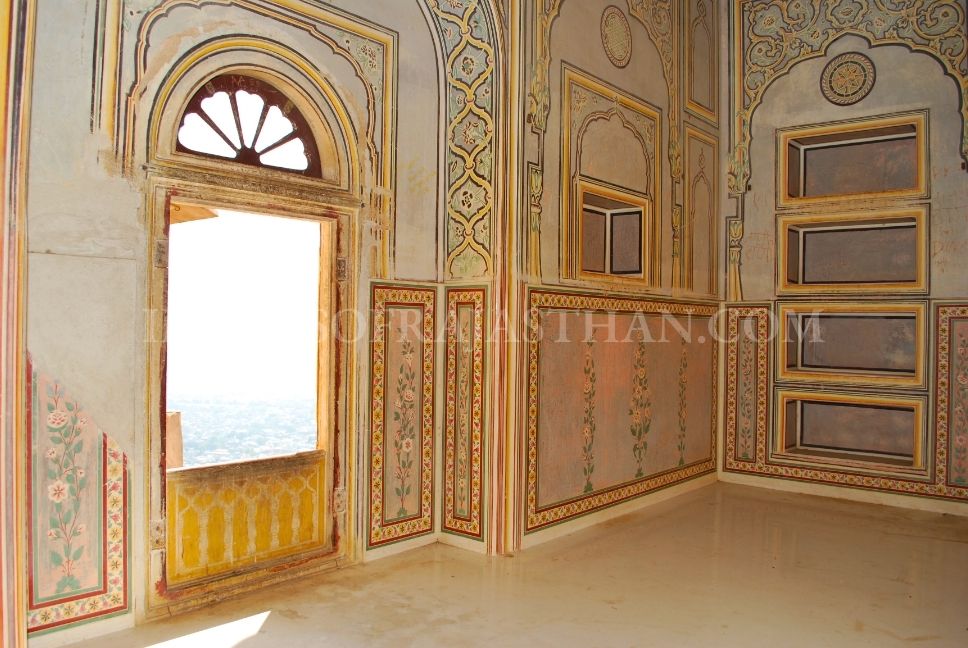
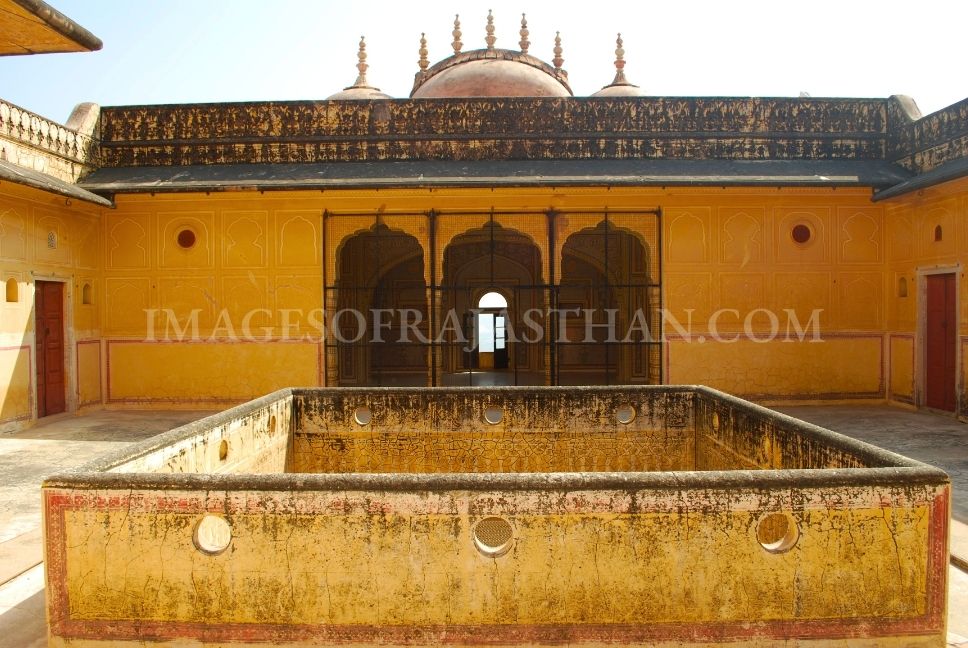
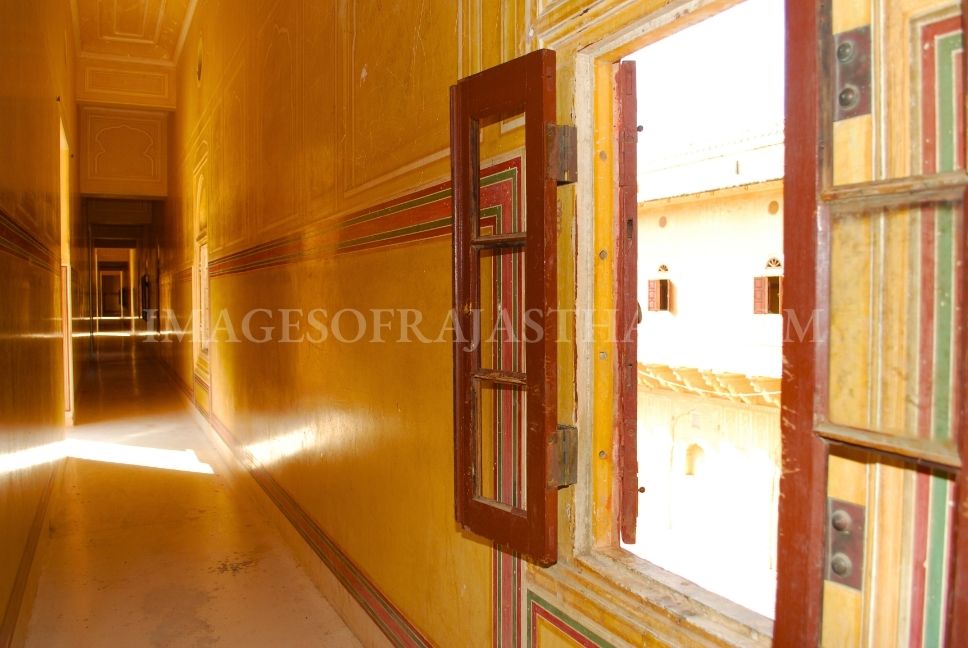
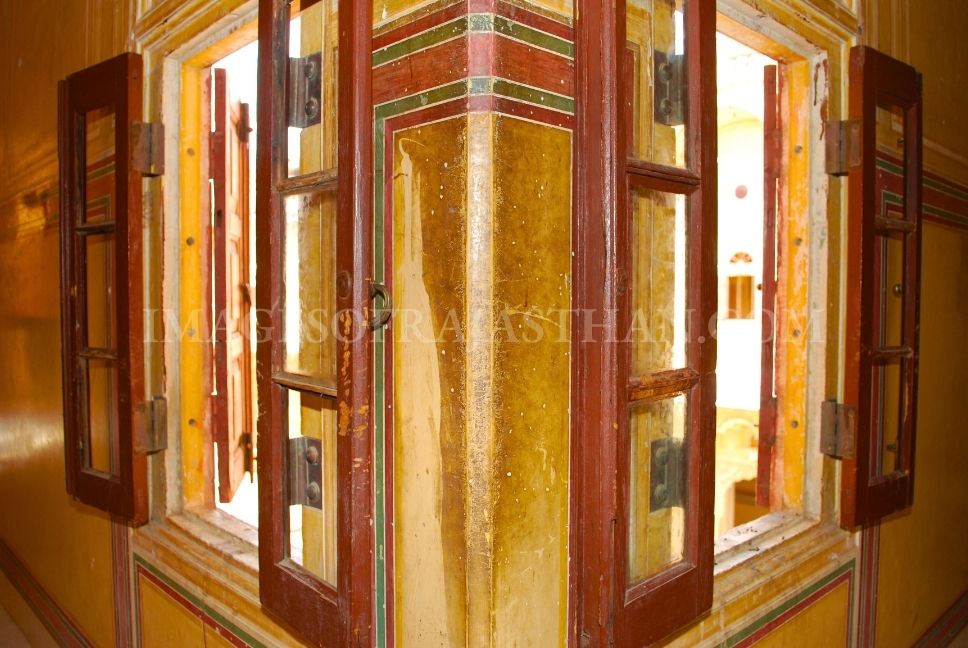
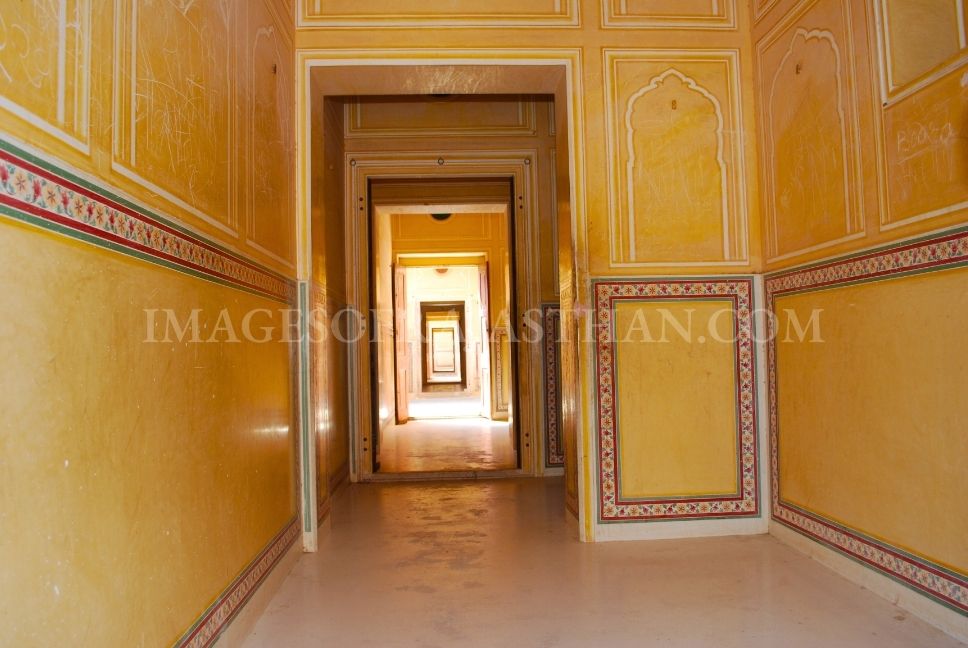
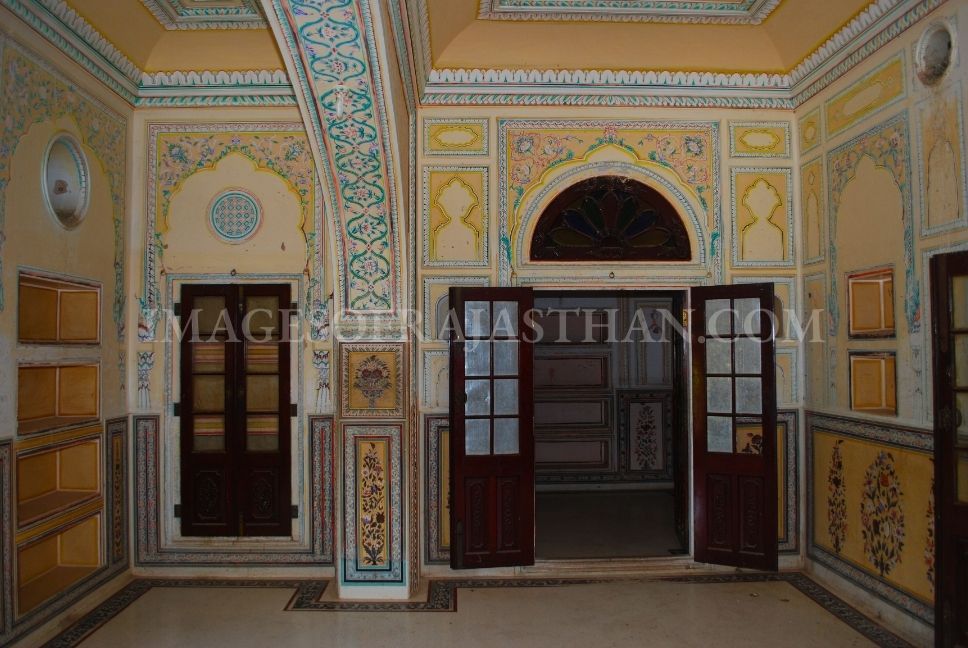
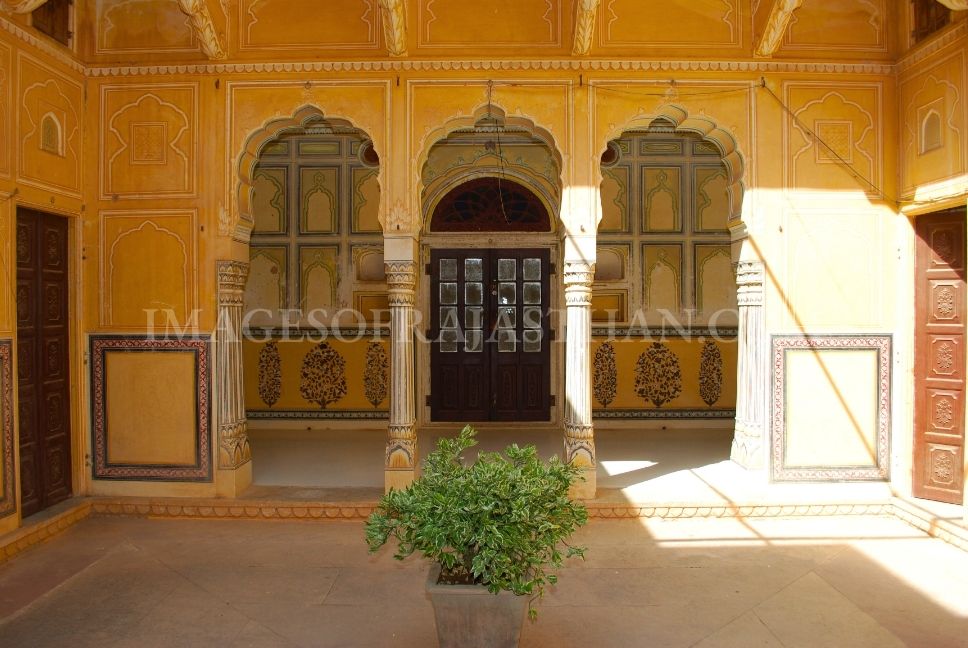
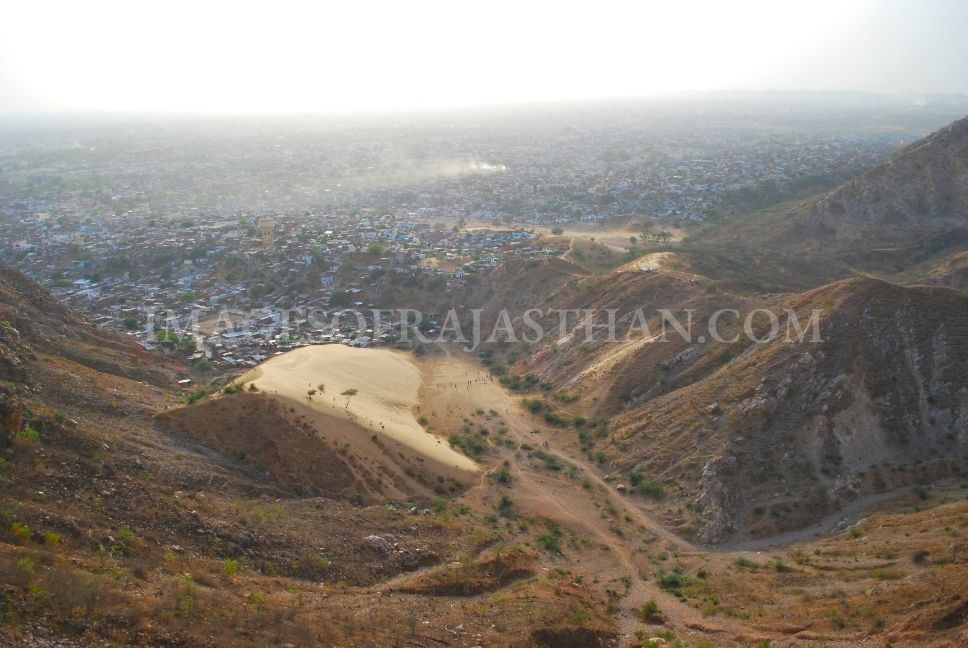
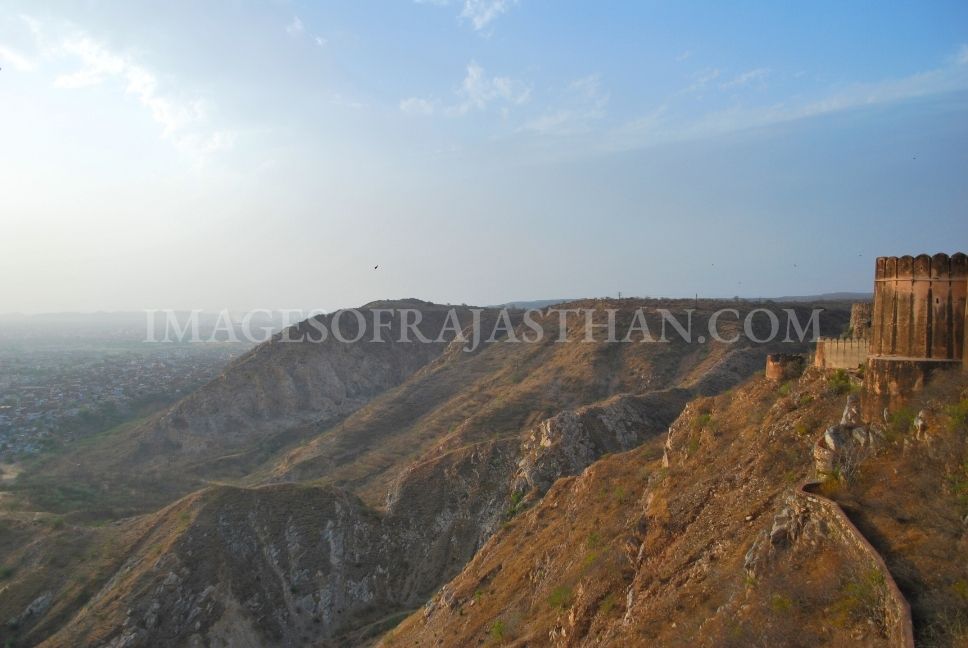
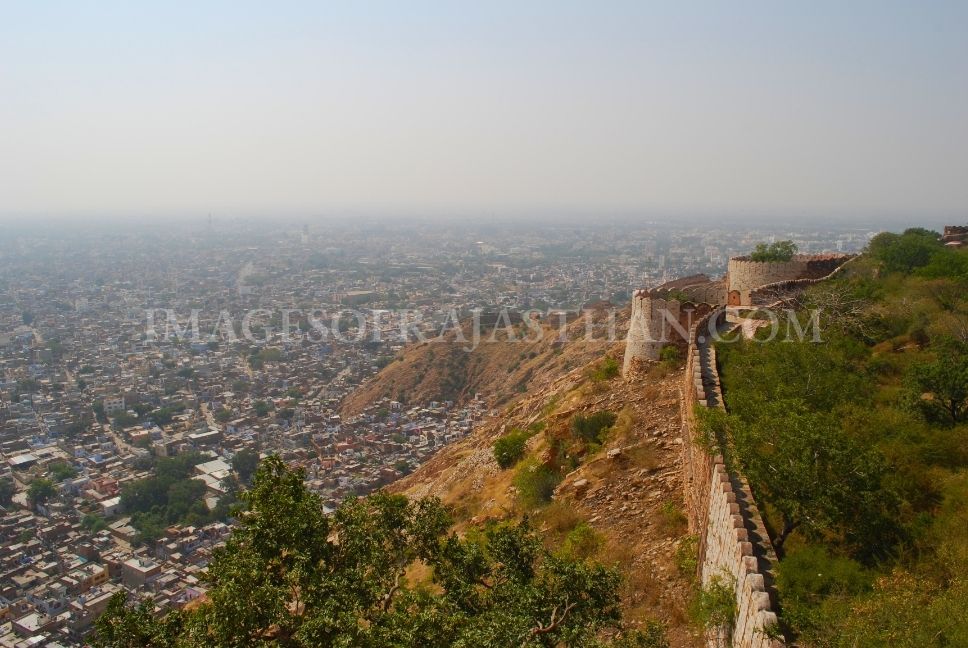
Nahargarh Fort, meaning “Abode of Tigers” stands majestically on the rugged edge of the Aravalli Hills providing a crucial northern defense and an unparalleled panoramic view of Jaipur city. Built primarily in 1734 by Maharaja Sawai Jai Singh II, the founder of Jaipur the fort never witnessed a direct attack instead serving as a peaceful royal retreat and hunting residence. Its architecture is a fascinating blend of traditional Rajput and European styles most notably demonstrated in the exquisite Madhavendra Bhavan, a complex designed with remarkable symmetry and interconnected suites for the Maharaja’s queens. Nahargarh’s ramparts connect it to the nearby Jaigarh Fort reinforcing the defensive ring that protected the Amber-Jaipur region.The Hawa Mahal or ‘Palace of Winds’ is the quintessential landmark of Jaipur instantly recognizable by its magnificent honeycombed facade of red and pink sandstone. Built in 1799 by Maharaja Sawai Pratap Singh and designed by Lal Chand Ustad, this five-storey architectural marvel was an extension of the City Palace’s Zenana (women’s chambers). Its primary purpose was to allow the royal ladies who strictly observed the purdah system (veiling themselves from public view), to discreetly watch the vibrant street processions and daily life of the bustling Johari Bazaar below. Its unique design featuring 953 intricate jharokhas (small windows) is a brilliant blend of Rajput and Mughal architectural styles ensuring constant cross-ventilation—a passive cooling technique that gives the palace its famous name.