
About Vidhyadhar Garden
Vidyadhar Garden, also known as Vidyadhar Bagh, is one of the most serene, meticulously planned and well-conserved gardens in Jaipur, located slightly away from the immediate city bustle on the road to Galta and offers an exquisite oasis of tranquility amidst the vibrant energy of Rajasthan’s capital. This magnificent garden holds deep historical significance, as it was constructed in the early 18th century not merely for royal pleasure but specifically in memory and dedication of Vidyadhar Bhattacharya, the accomplished architect, town planner and Bengali scholar invited by Maharaja Sawai Jai Singh II to conceptualize and execute the visionary grid-based urban design of the city of Jaipur itself, seamlessly combining Vedic architectural principles with elements of Mughal and Rajputana styles. The garden thus stands as a permanent testament to the aesthetic vision and horticultural prowess of this brilliant creator serving as a peaceful retreat that was designed to reflect the ideal harmony between nature and architecture. Unlike many pleasure gardens of the time, Vidyadhar Bagh was conceived as a residence for the architect himself and a space for meditation though the Maharaja also utilized its serene environment for holding important meetings and planning the future expansion of Jaipur.
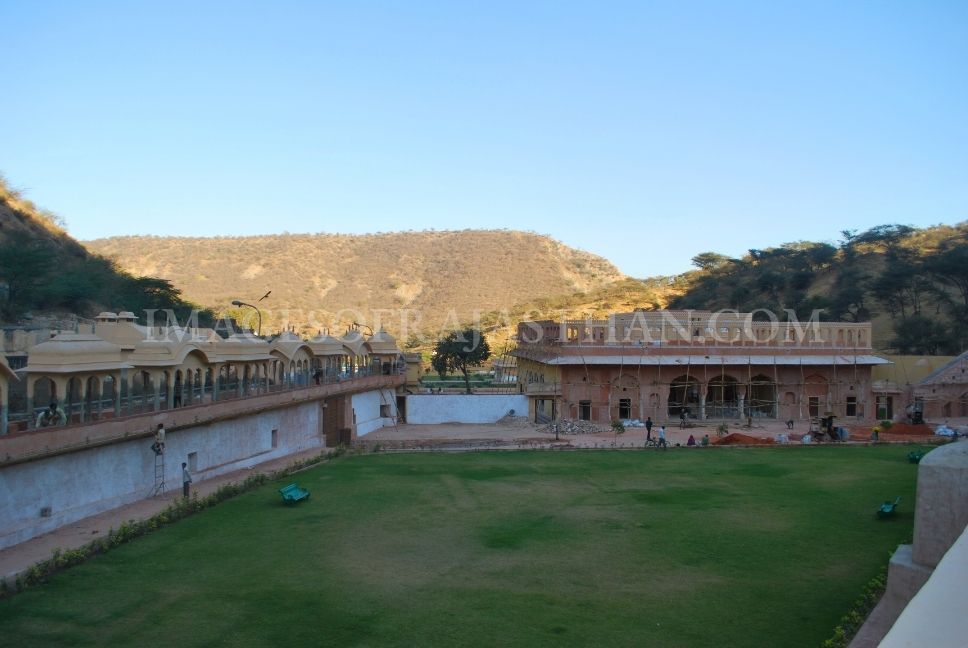
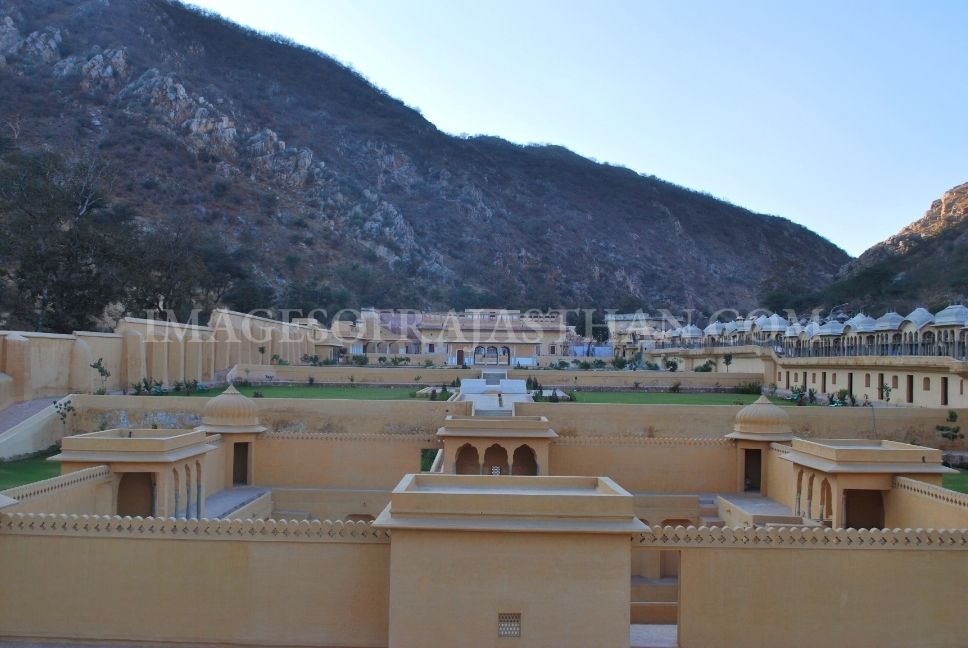
The architectural layout of the garden is a classic example of syncretic design, flawlessly blending Mughal, Rajasthani and Persian styles, drawing key inspiration from the Persian Charbagh layout, a quadrilateral design which symbolically divides the space into four quadrants representing the four elements of nature: earth, water, air and fire, thereby symbolizing the four gardens of paradise described in Islamic texts. The garden is defined by its tiered, multi-level arrangement, with meticulously maintained lawns, flower beds and pathways, which are lined with indigenous and exotic flora, including fruit trees like mango, pomegranate and guava, contrasting beautifully with seasonal blooms and fragrant medicinal plants like tulsi and neem, reflecting traditional Indian herbal practices for healing and rejuvenation. Water features play a crucial, cooling role in the garden’s arid climate, following Persian tradition where water symbolizes life and purity; the layout includes a central water channel lined with marble and decorated with lotus blooms, that connects various pavilions along with several fountains and pools that mirror the sky, creating a soothing auditory and visual ambiance.
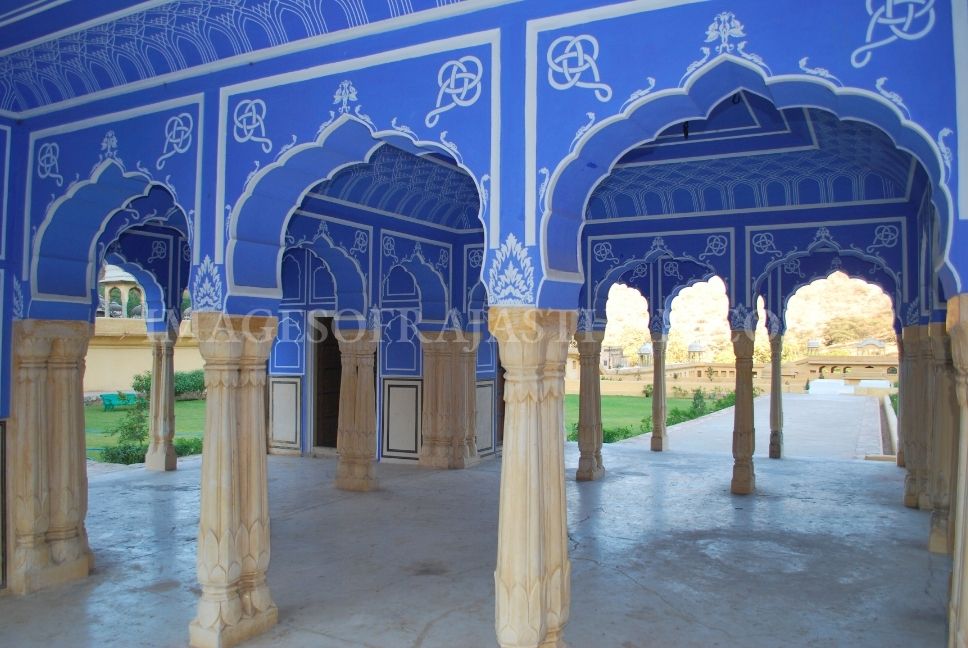
The central pavilion of the garden which stands as its architectural focal point and once hosted royal gatherings, intellectual discussions and cultural performances by poets, musicians and scholars, is adorned with intricate frescoes and delicate latticework (jaali), constructed predominantly from the signature pink sandstone of Jaipur; the arches, columns, and jaali work clearly reflect the Mughal influence, while the domed pavilions (chhatris) and decorative motifs draw from the robust Rajput traditions. Over the centuries, the garden faced challenges of neglect and natural decay but recognizing its immense cultural and historical value government and heritage conservationists launched extensive restoration efforts in the late 20th century which involved careful research to document the original layout, repair damaged structures, recreate frescoes and accurately replant indigenous trees and plants to align with the garden’s original botanical scheme ensuring its authenticity and survival. For visitors, the best time to explore the meticulously planned beauty and enjoy the fragrant air is during the cooler months from October to March, particularly in the early mornings or late afternoons when the soft golden light perfectly highlights the architectural details and the flora allowing them to step back in time and appreciate the enduring legacy of Vidyadhar Bhattacharya.
Quick Overview
Vidyadhar Garden is an 18th-century, well-conserved Charbagh located near Jaipur, built in memory of city planner Vidyadhar Bhattacharya. This serene oasis beautifully fuses Persian, Mughal, and Rajput architectural styles across its tiered, multi-level layout. It features decorative pavilions, marble-lined water channels, and lush plantings of both fruit and medicinal trees. Originally designed as a residential and meditative retreat, the garden now serves as a testament to Jaipur's sophisticated urban design. Visiting during the cooler months offers a perfect peaceful escape and showcases the garden's vibrant blooms.